

SpeechPathology.com Phone: 800-242-5183


ATX Learning Join Team - July 2025

Counseling in Communicative Disorders: Putting the Person First

Counseling in Communicative Disorders: Putting the Person First
Shari Robertson, PhD, CCC-SLP, BCS-CL, ASHA Fellow and Honors, NAP Fellow
July 27, 2011
Share:

This article is a written transcript of the course, “Counseling in Communicative Disorders: Putting the Person First”, presented by Shari Robertson, Ph.D., CCC-SLP on May 5, 2011.

Communication access realtime translation (cart) is provided in order to facilitate communication accessibility and may not be totally verbatim. The consumer should check with the moderator for any clarifications of the material.

>> Amy Hansen: Good afternoon and welcome to today's Expert e-Seminar, “Counseling in Communicative Disorders: Putting the Person First” presented today by Dr. Shari Robertson.  Dr. Shari Robertson is a Professor of Speech-language Pathology and Associate Dean for Graduate Studies and Research at Indiana University of Pennsylvania.  Prior to obtaining her Doctorate at University of Wisconsin-Madison, which included a minor in counseling, she was a school-based SLP and special education supervisor for 16 years.  Dr. Robertson is well-known on her workshops in a variety of topics and bridging the gap between research and clinicians.  Welcome, Shari, and thank you so much for joining us today.

[Applause]

>> Dr. Robertson:  Well, I'm just delighted to be here and it is nice to see all of you in cyberspace so to speak.  I would invite you at any time to be sure to ask questions.  I'm happy to answer them as best that I can.  We only have what I consider a short amount of time for a lot of information so I will be moving right along but I'm always happy to stop. 

Why Counseling?

So with that we're going to move on and delve right into the first question that is often asked of me is, why do we need to talk about counseling and speech-language pathology?  I'm guessing because you're here perhaps that is not your question but I actually have a colleague who often would stop me in the hall and say, “You know, Shari, if I could just take the voice out of the person and work on just the voice, I could get so much more done but the person always seems to get in the way.” I have to tell you that that kind of floored me the first time she said that.  She said to me, “You know, I just can't get into that touchy-feely stuff, that ‘people’ stuff.  I really just want to work with the disorder.”  And, so, I hauled her in one day to my counseling class.  I'm actually lucky enough to be able to teach a class to our speech-language pathology majors in the summer on counseling within communicative disorders.
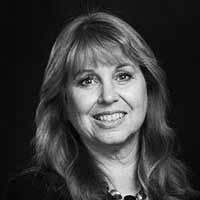

shari robertson

Shari Robertson, PhD, CCC-SLP, BCS-CL, ASHA Fellow and Honors, NAP Fellow

Shari Robertson, Ph.D., CCC-SLP, ASHA Fellow and Honors, NAP Fellow, Board Certified Specialist in Child Language, spent twenty years practicing in the schools and twenty five years in academia.  Robertson, the CEO of Dynamic Resources and the 2019 President of the American Speech, Language, and Hearing Association, has published numerous articles, book, and clinical materials and is a nationally and internationally recognized speaker on topics such as language and literacy development, functional intervention strategies, counseling, advocacy, leadership, mindfulness, imaginology, and self-care.  


Related Courses

SLPs as Authors: The Art and Science of Writing Children’s Books for Language Intervention
Presented by Shari Robertson, PhD, CCC-SLP, BCS-CL, ASHA Fellow and Honors, NAP Fellow
Video
Course: #11268Level: Intermediate1 Hour
Given their unique expertise in both typical and delayed speech and language development, SLPs are ideal candidates to author children’s books. Guided by the empirical evidence regarding the specific qualities of books that determine positive outcomes, this seminar will provide potential, budding, and closet SLP authors with key information on how to create children’s books that provide optimal support for language goals.

Facilitating Resiliency in Children with Language Disorders: Talk, Move, Imagine, Smile
Presented by Shari Robertson, PhD, CCC-SLP, BCS-CL, ASHA Fellow and Honors, NAP Fellow
Video
Course: #11273Level: Intermediate1 Hour
Although the acute phase of the COVID-19 pandemic has passed, the lasting impact of prolonged stress on children's mental well-being remains a significant concern. This course will present child-friendly, evidence-based strategies grounded in trauma-informed care to support resiliency and enhance clinical outcomes across four key developmental domains: communication, cognitive/psychological, physical, and social/emotional.

20Q: Efficient and Effective Language Intervention in the Schools - Embrace Your Superpower
Presented by Shari Robertson, PhD, CCC-SLP, BCS-CL, ASHA Fellow and Honors, NAP Fellow
Text
Course: #10837Level: Intermediate1 Hour
SLPs hold comprehensive, valuable expertise in language unique among professionals working with school-aged children. This course encourages SLPs to embrace and share this expertise and apply it to therapy guided by five evidence-supported principles. Activities, templates and lesson plans for effective, efficient, educationally relevant small group and classroom-based intervention are described.

Cognitive Behavioral Therapy for SLPs: Practice Updates
Presented by William S. Evans, PhD, CCC-SLP
Video
Course: #8899Level: Advanced2 Hours
This course reviews the use of Cognitive Behavioral Therapy (CBT) for SLPs, with a focus on counseling and behavioral change for adults with aphasia or cognitive deficits following acquired brain injury. Literature updates and case examples from the presenter's clinical practice are included.

Dysphagia in Neurodegenerative Disease
Presented by Debra M. Suiter, PhD, CCC-SLP, BCS-S
Video
Course: #9732Level: Intermediate1 Hour
Dysphagia is common in individuals with amyotrophic lateral sclerosis (ALS) and Parkinson’s disease. This course discusses the underlying pathophysiology and appropriate treatment programs for each disease, as well as use of alternate methods of nutrition/hydration.

Our site uses cookies to improve your experience. By using our site, you agree to our Privacy Policy.