

SpeechPathology.com Phone: 800-242-5183


EDU Healthcare Opportunities

Visual Perceptual Difficulties in Executive Function Disorders

Laura L. Murray, Ph.D., CCC-SLP

May 16, 2013

Share:

Question

I have seen indications that black-and-white photos or pictures versus color are preferable for those with TBI or dementia.  Can you speak to using color versus black and white?

Answer

This varies from patient to patient.  In traumatic brain injury and actually in right hemisphere stroke and in certain dementing diseases, visual perceptual abilities are compromised.  They cannot really see the colors or the colors are confusing, so sticking with black-and-white drawings might help; but for other patients, that is not the case.   It is a possibility to have those kinds of visual perceptual problems.  For example in Alzheimer's disease, as they progress, they definitely do have visual perceptual difficulties.  You might want to stick with simpler visual stimuli.

Laura L. Murray, Ph.D., CCC-SLP, is a Full Professor in the Department of Speech and Hearing Sciences, and Cognitive Science and Neuroscience Programs at Indiana University. She teaches undergraduate and graduate courses on acquired neurogenic cognitive and communication disorders. Her contributions include approximately 60 peer-reviewed and invited journal articles and book chapters, a graduate-level textbook, and over 160 invited and refereed conference presentations in the fields of aphasia, right hemisphere disorders, dementia, traumatic brain injury, and normal aging.
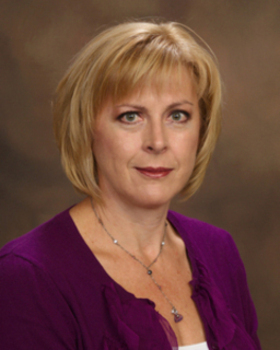

laura l murray

Laura L. Murray, Ph.D., CCC-SLP

Laura L. Murray, Ph.D., CCC-SLP, is a Full Professor in the Department of Speech and Hearing Sciences, and Cognitive Science and Neuroscience Programs at Indiana University. She teaches undergraduate and graduate courses on acquired neurogenic cognitive and communication disorders. Her contributions include approximately 60 peer-reviewed and invited journal articles and book chapters, a graduate-level textbook, and over 160 invited and refereed conference presentations in the fields of aphasia, right hemisphere disorders, dementia, traumatic brain injury, and normal aging. Research interests include examining how cognitive deficits (e.g., attention) interact with the language abilities of adults with neurogenic communication disorders, and developing assessment and treatment strategies for these patient populations.


Related Courses

Dysphagia in Neurodegenerative Disease
Presented by Debra M. Suiter, PhD, CCC-SLP, BCS-S
Video

Presenter

Debra M. Suiter, PhD, CCC-SLP, BCS-S
Course: #9732Level: Intermediate1 Hour
  'Good comparisons between ALS/ PD with appropriate types of interventions'   Read Reviews
Dysphagia is common in individuals with amyotrophic lateral sclerosis (ALS) and Parkinson’s disease. This course discusses the underlying pathophysiology and appropriate treatment programs for each disease, as well as use of alternate methods of nutrition/hydration.

Best Practice for Assessment and Treatment of Bilingual Aphasia
Presented by Maria Muñoz, PhD, CCC-SLP
Video

Presenter

Maria Muñoz, PhD, CCC-SLP
Course: #9759Level: Intermediate1.5 Hours
  'I learned practical technical strategies for therapy that were not included in the test questions'   Read Reviews
This course focuses on best practice in the assessment and treatment of bilingual aphasia by speech-language pathologists. Recommended practices are contrasted against common mistakes made by clinicians working with bilingual patients with aphasia. Implementation of best practices are modeled through case studies.

Social Isolation and COVID-19 Cognitive Decline: From Zero to Hero!
Presented by Amber B. Heape, CScD, CCC-SLP, FNAP
Video

Presenter

Amber B. Heape, CScD, CCC-SLP, FNAP
Course: #9514Level: Intermediate1 Hour
  'Slow rate of speaker’s speech'   Read Reviews
Social distancing and isolation associated with the COVID-10 pandemic have begun to take a toll on patients in residential settings, but SLPs can help mitigate the long-term consequences. This course discusses the risk factors for and effects of isolation, as well as potential strategies to prevent or reverse pandemic-related cognitive decline.

Brain Health Basics: Strategies for SLPs to Support Healthy Aging for Adult Patients
Presented by Megan L. Malone, MA, CCC-SLP, Jennifer Loehr, MA, CCC-SLP
Video

Presenters

Megan L. Malone, MA, CCC-SLPJennifer Loehr, MA, CCC-SLP
Course: #9785Level: Introductory1 Hour
  'Brain healthy diet programe must , excellent and Meditation, yoga and more'   Read Reviews
This Back to Basics course focuses on the preventative aspect of improving brain health with adult patients, with emphasis on elements that SLPs can target during instruction or counseling aspects of patient treatment and caregiver support. Additional information is provided on advocacy for these services and community outreach to organizations working with older adults.

Post-concussive Syndrome
Presented by Erin O. Mattingly, MA, CCC-SLP, CBIS
Video

Presenter

Erin O. Mattingly, MA, CCC-SLP, CBIS
Course: #10057Level: Introductory1 Hour
  'Great presenter with great skills'   Read Reviews
This course describes post-concussive syndrome, including etiology, predictors, and common symptoms. Differential diagnosis and treatment considerations are also addressed.

Our site uses cookies to improve your experience. By using our site, you agree to our Privacy Policy.