

SpeechPathology.com Phone: 800-242-5183


The Stepping Stones Group Hiring - January 2026

When is a TEP Placed in a Patient

Julie Bishop-Leone, M.A., CCC-SLP

September 30, 2013

Question

Are more sites placing a tracheoesophageal prosthesis at the time of primary puncture versus afterward?

Answer

There is a growing trend of placing the prosthesis at the time of the surgery.  There are many advantages to that.  There is significant research looking at the fact that patients have a nice stable party wall that do not change size.  Of the 310 patients in the study who were followed over a significant amount of time, 64% of those patients never changed sizes.  I do not think you see that very often when the red rubber catheter is placed.  I have some theories about that.  One thought is that there is irritation from the red rubber catheter and a shearing force on the puncture site.  The other is that in all likelihood it is probably opening up the gastroesophageal juncture causing more acid reflux to occur mechanically, and maybe irritating the tract.  I also see that from a cost perspective, typically when you see a red rubber catheter placed initially, you place about an 18 mm for that first prosthesis, then four days later they are at a 12, and then four days later, they are at a 10.  You have thrown out 8 to 10 prostheses in the first two months or so of their rehab.  From a cost perspective, research is showing that the first prosthesis, when placed in the OR, lasts 4 to 5 months. For example, I was at a county hospital last week and there is a man who was the first patient that we ever placed a prosthesis, and it is still working.  That is about two years later and it is still functioning.  So, I do see more of that trend.

Julie Bishop-Leone’s career as a Speech Language Pathologist spans 20 years first at the University of Michigan, Ann Arbor then as Clinical Manager of Speech Pathology and Audiology at the University of Texas, M.D. Anderson Cancer Center in Houston, TX.  Specializing in alaryngeal voice restoration and swallowing she has participated in numerous clinical trials and co-authored several peer-reviewed papers focused on the head and neck oncology patient.
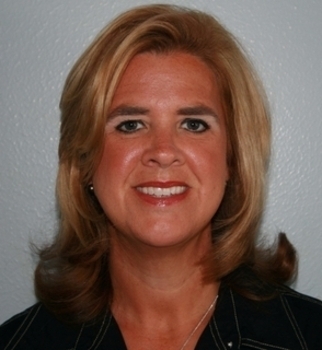

julie bishop leone

Julie Bishop-Leone, M.A., CCC-SLP

Julie Bishop-Leone’s career as a Speech Language Pathologist spans 20 years first at the University of Michigan, Ann Arbor then as Clinical Manager of Speech Pathology and Audiology at the University of Texas, M.D. Anderson Cancer Center in Houston, TX.  Specializing in alaryngeal voice restoration and swallowing she has participated in numerous clinical trials and co-authored several peer-reviewed papers focused on the head and neck oncology patient. In addition to her extensive clinical experience with tracheoesophageal voice restoration, she has directed and been an invited faculty member at national seminars and training programs in the area of laryngectomy rehabilitation.  Ms. Bishop-Leone has been employed by Atos Medical Inc for the last five years and is a founding member of the Educational Division of Atos Medical Inc. 


Related Courses

Tracheoesophageal Voice: Basic Troubleshooting and Practical Solutions
Presented by Julie Bishop-Leone, MA, CCC-SLP
Video

Presenter

Julie Bishop-Leone, MA, CCC-SLP
Course: #9678Level: Intermediate1 Hour
  'Pictures and examples'   Read Reviews
This course provides information to help participants differentiate between central and peripheral leakage of tracheoesophageal voice prostheses and identify the potential causes. Specific solutions are discussed, including problem-solving applicable to both inpatient and outpatient settings.

Dysphagia in Neurodegenerative Disease
Presented by Debra M. Suiter, PhD, CCC-SLP, BCS-S
Video

Presenter

Debra M. Suiter, PhD, CCC-SLP, BCS-S
Course: #9732Level: Intermediate1 Hour
  'This course was a good, thorough overview of ALS and Parkinson's'   Read Reviews
Dysphagia is common in individuals with amyotrophic lateral sclerosis (ALS) and Parkinson’s disease. This course discusses the underlying pathophysiology and appropriate treatment programs for each disease, as well as use of alternate methods of nutrition/hydration.

20Q: Induced Laryngeal Obstruction - An Overview for Speech-Language Pathologists
Presented by Robert Brinton Fujiki, PhD, CCC-SLP
Text

Presenter

Robert Brinton Fujiki, PhD, CCC-SLP
Course: #10761Level: Intermediate1 Hour
  'Provided information I can share with referring physicians'   Read Reviews
The nature of induced laryngeal obstruction, including comorbidities and causes, and the speech-language pathologist’s role in evaluation and treatment of this disorder are described in this course. Current diagnostic and treatment practices and research updates pertaining to the condition are discussed.

Vocal Fold Paralysis
Presented by Lauren Fay, MS, CCC-SLP
Video

Presenter

Lauren Fay, MS, CCC-SLP
Course: #11280Level: Introductory1 Hour
  'Excellent case study highlighting all of the info presented regarding vocal cord paralysis for good clinical application'   Read Reviews
Speech pathologists may encounter patients with vocal fold paralysis in various clinical, hospital, and rehabilitation settings. This course provides an overview of the etiology, evaluation, prognosis, and management options, including voice therapy techniques.

Best Practice for Assessment and Treatment of Bilingual Aphasia
Presented by Maria Muñoz, PhD, CCC-SLP
Video

Presenter

Maria Muñoz, PhD, CCC-SLP
Course: #9759Level: Intermediate1.5 Hours
  'Very thorough presentation and helpful case studies!'   Read Reviews
This course focuses on best practice in the assessment and treatment of bilingual aphasia by speech-language pathologists. Recommended practices are contrasted against common mistakes made by clinicians working with bilingual patients with aphasia. Implementation of best practices are modeled through case studies.