
SpeechPathology.com Phone: 800-242-5183


PTS, Inc - Where Your Passion and Career Converge. Talk to us today!

Recovery versus Compensation

Irene Barrow, PhD, CCC-SLP

October 6, 2014

Share:

Question

How do you differentiate between recovery and compensation during therapy?

Answer

I am not sure that we need to differentiate between recovery and compensation.  The bottom line is functional outcome, regardless of whether it is actually recovery or compensation.  If you look at the neuroscience literature, there will be more talk about compensation and adaptation as opposed to recovery.  Sometimes there is a disconnect across the literature between the disciplines because of the terminology.  As a clinician, I am not really sure that it is an important factor if it is seen as recovery or compensation, as long as the functional outcome is positive. 

Recovery is related to the reversal of diaschisis.  We finally see what skills have remained in that area after injury as opposed to being completely lost. Compensation is taking those residual skills and maximizing them by using additional brain resources.

Dr. Irene Barrow obtained her B.S. and M.A in Communication Sciences and Disorders from Central Michigan University in 1982 and 1983 respectively and received her doctoral degree from East Carolina University in 2001. Her research interests are in neurolinguistics with a special interest in mild traumatic brain injury. Currently, she teaches a variety of online courses for several universities.  


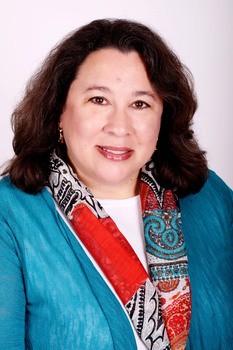
irene barrow

Irene Barrow, PhD, CCC-SLP

 Dr. Irene Barrow obtained her B.S. and M.A in Communication Sciences and Disorders from Central Michigan University in 1982 and 1983 respectively. Following years of working clinically, she returned to academia and received her doctoral degree from East Carolina University in 2001. Her research interests are in neurolinguistics with a special interest in mild traumatic brain injury. Currently, she teaches a variety of online courses for several universities.

Related Courses

Best Practice for Assessment and Treatment of Bilingual Aphasia
Presented by Maria Muñoz, PhD, CCC-SLP
Video

Presenter

Maria Muñoz, PhD, CCC-SLP
Course: #9759Level: Intermediate1.5 Hours
  'I learned practical technical strategies for therapy that were not included in the test questions'   Read Reviews
This course focuses on best practice in the assessment and treatment of bilingual aphasia by speech-language pathologists. Recommended practices are contrasted against common mistakes made by clinicians working with bilingual patients with aphasia. Implementation of best practices are modeled through case studies.

Dysphagia in Neurodegenerative Disease
Presented by Debra M. Suiter, PhD, CCC-SLP, BCS-S
Video

Presenter

Debra M. Suiter, PhD, CCC-SLP, BCS-S
Course: #9732Level: Intermediate1 Hour
  'Good comparisons between ALS/ PD with appropriate types of interventions'   Read Reviews
Dysphagia is common in individuals with amyotrophic lateral sclerosis (ALS) and Parkinson’s disease. This course discusses the underlying pathophysiology and appropriate treatment programs for each disease, as well as use of alternate methods of nutrition/hydration.

Acceptance and Commitment Therapy: An Introduction for SLPs
Presented by William S. Evans, PhD, CCC-SLP
Video

Presenter

William S. Evans, PhD, CCC-SLP
Course: #10771Level: Intermediate1 Hour
  'I loved listening about the case studies, how the ACT approach was implemented, and discussion of some of the results'   Read Reviews
An introduction to Acceptance and Commitment Therapy (ACT), a modern evidence-based counseling approach, is provided in this course. Research support for ACT is discussed, and case studies to illustrate how ACT techniques can help patients and their families with the psychosocial consequences of living with communication disorders are presented.

Supporting Aphasia Recovery with Therapeutic Games: Putting the "Fun" Back in Functional
Presented by William S. Evans, PhD, CCC-SLP
Video

Presenter

William S. Evans, PhD, CCC-SLP
Course: #11048Level: Advanced1 Hour
  'I like the internet resources and examples of actual games'   Read Reviews
People with aphasia need motivating ways to fight social isolation and improve communication. Therapeutic aphasia games can address these needs by making practice more fun and engaging, especially in group contexts. This course reviews existing early-stage aphasia games research. It also describes aphasia rehabilitation and game design principles SLPs can use to develop and adapt their own therapeutic games.

Social Isolation and COVID-19 Cognitive Decline: From Zero to Hero!
Presented by Amber B. Heape, CScD, CCC-SLP, FNAP
Video

Presenter

Amber B. Heape, CScD, CCC-SLP, FNAP
Course: #9514Level: Intermediate1 Hour
  'Slow rate of speaker’s speech'   Read Reviews
Social distancing and isolation associated with the COVID-10 pandemic have begun to take a toll on patients in residential settings, but SLPs can help mitigate the long-term consequences. This course discusses the risk factors for and effects of isolation, as well as potential strategies to prevent or reverse pandemic-related cognitive decline.

Our site uses cookies to improve your experience. By using our site, you agree to our Privacy Policy.