Does performing a screening and then writing on the screen/report, “No skilled ST services are necessary” suffice as a discharge of a standing order?
Answer
No it does not. You have to recommend another order that says, “Please D/C speech pathology eval order,” and then write on your screening, “No skilled ST services are necessary as patient is at baseline status.” I would state the reason why no skilled ST services are necessary. Make sure that is in your documentation. Then, I would get another order that discharges the eval order.
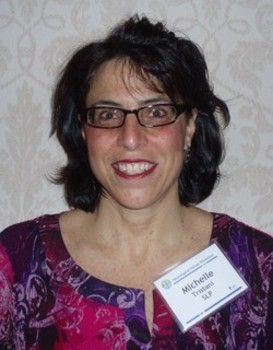
Michelle L. Tristani, M.S., CCC-SLP is the National Rehab Clinical Specialist for Speech Pathology with RehabCare. Michelle holds a B.A. in English and Communication Disorders from Boston College and an M.S. in Speech Language Pathology from the University of Rhode Island. She has delivered communication, cognition and swallowing diagnostic and therapeutic services within the adult and geriatric populations since 1991.
Michelle Tristani, M.S., CCC-SLP
Michelle L. Tristani, M.S., CCC-SLP is the National Rehab Clinical Specialist for Speech Pathology with RehabCare. Michelle holds a BA in English and Communication Disorders from Boston College and an MS in Speech Language Pathology from the University of Rhode Island. She has delivered communication, cognition and swallowing diagnostic and therapeutic services within the adult and geriatric populations since 1991. Having practiced across the continuum of care from acute care to short-term rehab to long-term care, Michelle has specialized in cognitive and swallowing disorders. She has presented at many workshops, conferences and seminars focusing on Alzheimer's disease, assessment and management of cognitive disorders, swallowing disorders in the cognitively impaired patient, speech pathology services in the tracheostomized and ventilator dependent patient, palliative care, and professional / workplace etiquette.
Related Courses
1https://www.speechpathology.com/slp-ceus/course/connecting-swallowing-cognition-and-dignity-10460Connecting Swallowing, Cognition, and Dignity: An Essential Clinical Pathway for Dysphagia in Persons with DementiaA comprehensive, systematic clinical pathway to effectively assess and manage dysphagia in persons with dementia is described in this course. Common eating challenges and contraindications of enteral feeding for those with advanced stage dementia are addressed. Environmental modifications, swallow strategies and adaptive equipment that can enhance the safety and experience of oral intake are also discussed.auditory, textual, visual129USDSubscriptionUnlimited COURSE Access for $129/yearOnlineOnlySpeechPathology.comwww.speechpathology.comConnecting Swallowing, Cognition, and Dignity: An Essential Clinical Pathway for Dysphagia in Persons with DementiaA comprehensive, systematic clinical pathway to effectively assess and manage dysphagia in persons with dementia is described in this course. Common eating challenges and contraindications of enteral feeding for those with advanced stage dementia are addressed. Environmental modifications, swallow strategies and adaptive equipment that can enhance the safety and experience of oral intake are also discussed.10460OnlinePT90M
A comprehensive, systematic clinical pathway to effectively assess and manage dysphagia in persons with dementia is described in this course. Common eating challenges and contraindications of enteral feeding for those with advanced stage dementia are addressed. Environmental modifications, swallow strategies and adaptive equipment that can enhance the safety and experience of oral intake are also discussed.
2https://www.speechpathology.com/slp-ceus/course/dysphagia-in-neurodegenerative-disease-9732Dysphagia in Neurodegenerative DiseaseDysphagia is common in individuals with amyotrophic lateral sclerosis (ALS) and Parkinson’s disease. This course discusses the underlying pathophysiology and appropriate treatment programs for each disease, as well as use of alternate methods of nutrition/hydration.auditory, textual, visual129USDSubscriptionUnlimited COURSE Access for $129/yearOnlineOnlySpeechPathology.comwww.speechpathology.comDysphagia in Neurodegenerative DiseaseDysphagia is common in individuals with amyotrophic lateral sclerosis (ALS) and Parkinson’s disease. This course discusses the underlying pathophysiology and appropriate treatment programs for each disease, as well as use of alternate methods of nutrition/hydration.9732OnlinePT60M
Dysphagia is common in individuals with amyotrophic lateral sclerosis (ALS) and Parkinson’s disease. This course discusses the underlying pathophysiology and appropriate treatment programs for each disease, as well as use of alternate methods of nutrition/hydration.
3https://www.speechpathology.com/slp-ceus/course/best-practice-for-assessment-and-9759Best Practice for Assessment and Treatment of Bilingual AphasiaThis course focuses on best practice in the assessment and treatment of bilingual aphasia by speech-language pathologists. Recommended practices are contrasted against common mistakes made by clinicians working with bilingual patients with aphasia. Implementation of best practices are modeled through case studies.auditory, textual, visual129USDSubscriptionUnlimited COURSE Access for $129/yearOnlineOnlySpeechPathology.comwww.speechpathology.comBest Practice for Assessment and Treatment of Bilingual AphasiaThis course focuses on best practice in the assessment and treatment of bilingual aphasia by speech-language pathologists. Recommended practices are contrasted against common mistakes made by clinicians working with bilingual patients with aphasia. Implementation of best practices are modeled through case studies.9759OnlinePT90M
This course focuses on best practice in the assessment and treatment of bilingual aphasia by speech-language pathologists. Recommended practices are contrasted against common mistakes made by clinicians working with bilingual patients with aphasia. Implementation of best practices are modeled through case studies.
4https://www.speechpathology.com/slp-ceus/course/social-isolation-and-covid-19-9514Social Isolation and COVID-19 Cognitive Decline: From Zero to Hero!Social distancing and isolation associated with the COVID-10 pandemic have begun to take a toll on patients in residential settings, but SLPs can help mitigate the long-term consequences. This course discusses the risk factors for and effects of isolation, as well as potential strategies to prevent or reverse pandemic-related cognitive decline.auditory, textual, visual129USDSubscriptionUnlimited COURSE Access for $129/yearOnlineOnlySpeechPathology.comwww.speechpathology.comSocial Isolation and COVID-19 Cognitive Decline: From Zero to Hero!Social distancing and isolation associated with the COVID-10 pandemic have begun to take a toll on patients in residential settings, but SLPs can help mitigate the long-term consequences. This course discusses the risk factors for and effects of isolation, as well as potential strategies to prevent or reverse pandemic-related cognitive decline.9514OnlinePT60M
Social distancing and isolation associated with the COVID-10 pandemic have begun to take a toll on patients in residential settings, but SLPs can help mitigate the long-term consequences. This course discusses the risk factors for and effects of isolation, as well as potential strategies to prevent or reverse pandemic-related cognitive decline.
5https://www.speechpathology.com/slp-ceus/course/brain-health-basics-strategies-for-9785Brain Health Basics: Strategies for SLPs to Support Healthy Aging for Adult PatientsThis Back to Basics course focuses on the preventative aspect of improving brain health with adult patients, with emphasis on elements that SLPs can target during instruction or counseling aspects of patient treatment and caregiver support. Additional information is provided on advocacy for these services and community outreach to organizations working with older adults.auditory, textual, visual129USDSubscriptionUnlimited COURSE Access for $129/yearOnlineOnlySpeechPathology.comwww.speechpathology.comBrain Health Basics: Strategies for SLPs to Support Healthy Aging for Adult PatientsThis Back to Basics course focuses on the preventative aspect of improving brain health with adult patients, with emphasis on elements that SLPs can target during instruction or counseling aspects of patient treatment and caregiver support. Additional information is provided on advocacy for these services and community outreach to organizations working with older adults.9785OnlinePT60M
This Back to Basics course focuses on the preventative aspect of improving brain health with adult patients, with emphasis on elements that SLPs can target during instruction or counseling aspects of patient treatment and caregiver support. Additional information is provided on advocacy for these services and community outreach to organizations working with older adults.