
SpeechPathology.com Phone: 800-242-5183


ATX Learning Kickstart Career - July 2025

Social-Pragmatic Language Group Treatment for Adolescents with Language Impairments and Psychiatric Diagnoses

Social-Pragmatic Language Group Treatment for Adolescents with Language Impairments and Psychiatric Diagnoses
Christine Lackey, MS, CCC-SLP, BCS-CL, Adam Diggs, MA, CCC-SLP
May 1, 2017
Share:

This text-based course is a transcript of the webinar, Social-Pragmatic Language Group Treatment for Adolescents with Language Impairments and Psychiatric Diagnoses, presented by Christine Lackey, MS, CCC-SLP, BCS-CL and Adam Diggs, MA, CCC-SLP.

Learning Objectives

After this course, the reader will be able to: 

  1. Determine two essential components of social communication as indicated by ASHA's Practice Portal
  2. Identify three classifications of social skills deficits
  3. Recognize five components of positive characteristics of a group facilitator
  4. Define the key components of a social-communication group lesson plan

Social Communication: Definitions and Research

This seminar is the third in a series of presentations for SLPs working with children and adolescents with social-emotional-behavioral disorders. The first course covers some of the mental health diagnoses and needs of patients that we see with these diagnoses. The second course deals with behavioral strategies. Both of these courses can be found on SpeechPathology.com. We encourage you to view those presentations to paint a better background picture of this topic.

The ASHA Practice Portal provides an excellent resource for us to look at evidence-based practices for a variety of communication disorders. In particular, they have their practice portal on social communication disorders in school-age children. That's where we have obtained much of this background information, to give you an idea of why we're doing the kinds of groups that we do.

Social communication is defined as “the interrelated emergence of social interaction, social cognition, pragmatics, and receptive expressive language processing” (Adams, 2005). Breaking down this definition, there are two components to look at more closely: social interaction and social cognition.

One example of social interaction would include social competence with peers. Another example is the ability to “switch codes.” In other words, are they able to appropriately alternate between formal and informal communication? What are some of the gender and cultural influences involved? Are they able to resolve conflicts and build relationships? Social cognition is referring to theory of mind, emotional comprehension, regulation and expression, executive functioning, inferencing, and perspective taking. All of these components are part of the social interaction, and part of the social cognition piece.

Social Skills and Social Competence

Alternately, we, as therapists, want to help students gain their social competence. This is defined by Gresham as “the ability to establish and maintain successful social relationships, gain peer acceptance, initiate and maintain friendships, and to terminate negative relationships” (2001). Students with ADHD, significant learning disabilities, cognitive impairments and emotional disturbances will have difficulty with social competence.
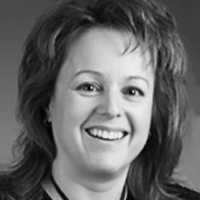
christine lackey

Christine Lackey, MS, CCC-SLP, BCS-CL

Christine Lackey, MS, CCC-SLP is a Speech-Language Pathologist II at Cincinnati Children's Hospital Medical Center at the College Hill Campus and the Lindner Center of Hope. She is a Board Certified Specialist in Child Language. Her clinical interests include apraxia, auditory processing disorders, autism, adolescent literacy and pragmatic language.   In addition, she has created and managed Creativity Connection, a therapeutic resource for the Speech Pathology Department at CCHMC. She has assisted in the development and organization of CCHMC resources to include therapeutic activities for adolescent pragmatic language groups and language/literacy tasks for elementary students.


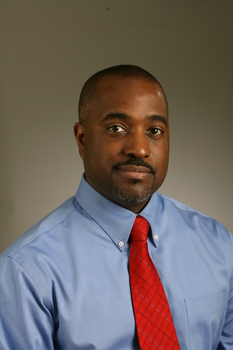
adam diggs

Adam Diggs, MA, CCC-SLP

Adam L. Diggs, MA, CCC-SLP is a Speech-Language Pathologist in the Division of Speech Pathology at the Cincinnati Children’s Hospital Medical Center, College Hill campus. He conducts screenings and assessments, and provides individual and group treatment for in-patient and residential programs in the Division of Psychiatry. His areas of interest include language processing and pragmatic language disorders in children with psychiatric diagnoses, and speech sound disorders. Adam has been with the Division of Speech Pathology since June 2006, and previously worked as a school Speech/Language Pathologist for the Cincinnati City School System for 6 years.


Related Courses

Dyslexia and Developmental Language Disorder: School-Based Screenings, Assessments, Interventions, and Implementation Science
Presented by Tiffany Hogan, PhD, CCC-SLP, FASHA
Video
Course: #11016Level: Intermediate1 Hour
Developmental language disorder (DLD) – a neurodiversity that occurs in 10% of the population and that makes learning vocabulary and grammar difficult - is the most commonly co-occurring learning disability associated with dyslexia, a word reading difficulty. DLD and dyslexia are described in this course with a focus on how they are the same and different. Actionable, practice solutions for improving educational outcomes for those with DLD and dyslexia through response to intervention and implementation science are discussed.

Reading Comprehension and the SLP: Foundational Understanding
Presented by Angie Neal, MS, CCC-SLP
Audio
Course: #10763Level: Intermediate1 Hour
This is Part 1 of a two-part series. This course provides SLPs with foundational knowledge needed to directly address and collaboratively support reading comprehension across all grade levels. Models of language and reading comprehension, comprehension processes vs. products, instruction in comprehension skills vs. strategies, factors in reading comprehension difficulties, and connections to general education are discussed.

Reading Comprehension and the SLP: Contributions of Language
Presented by Angie Neal, MS, CCC-SLP
Video
Course: #10764Level: Intermediate1 Hour
This is Part 2 of a two-part series. The connections between reading comprehension and areas of language such as vocabulary, morphosyntax and social communication are described in this course. Implications for intervention/instruction and collaboration with educators are also discussed.

Orthographic Phonology: A Deeper Dive
Presented by Katie E. Squires, PhD, CCC-SLP, BCS-CL, Lisa Barnett, B.Ed
Video
Course: #11024Level: Intermediate2 Hours
This course is designed for those who already have a basic understanding of the linguistic basis of spelling. Participants will transcribe phonemes and phones using the International Phonetic Alphabet (IPA), build awareness that syllable division in written form may obscure the structure and meaning of a word, classify the types of bases, and describe what letters are doing in words when they aren’t representing a sound.

20Q: Dynamics of School-Based Speech and Language Therapy Variables
Presented by Kelly Farquharson, PhD, CCC-SLP, Anne Reed, MS, CCC-SLP
Text
Course: #10002Level: Advanced1 Hour
This course reviews dynamics of speech and language therapy variables such as session frequency, intervention intensity, and dosage, and how these are impacted by different service delivery models. It discusses how therapy outcomes are related to therapy quality, IEP goals, and SLP-level variables such as job satisfaction and caseload size.

Our site uses cookies to improve your experience. By using our site, you agree to our Privacy Policy.