SpeechPathology.com Phone: 800-242-5183


SLP, SLPA, CF Apply Now! PTS Inc.

Counseling in Speech-Language Pathology and Audiology: Reconstructing Personal Narratives, Second Edition

Counseling in Speech-Language Pathology and Audiology: Reconstructing Personal Narratives, Second Edition
Anthony DiLollo, PhD, CCC-SLP, Robert Neimeyer
December 31, 2025

To earn CEUs for this article, become a member.

unlimited ceu access $129/year

Join Now

Please note that to complete this course, you will need to read the textbook Counseling in Speech-Language Pathology and Audiology: Reconstructing Personal Narratives, Second Edition. If you do not already have a copy of the textbook, you can purchase it at Plural Publishing.
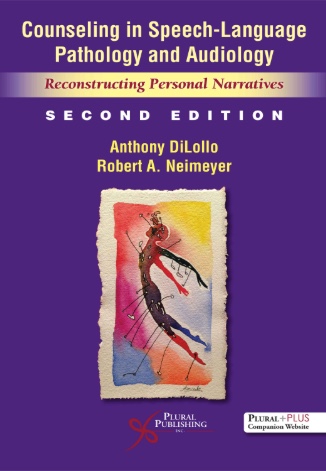
image of book

FAQ: SpeechPathology.com Textbook Continuing Education (CE) Courses 

What is a textbook CE course? 

Our textbook CE courses constitute the CE activity for their respective textbooks. Essentially, these courses provide a way to earn CEUs for the time and effort our members invest in reading these valuable texts. 

Do I need materials for these courses?

Yes! You will need the relevant textbook for any textbook-based courses you wish to take. 

Does SpeechPathology.com charge extra fees for textbook-based courses? 

No. You are responsible for purchasing your textbook, and (as with our other courses) you will need a current SpeechPathology.com membership. SpeechPathology.com does not collect any additional fees for these courses. 

Where is the course content? How do I take this course?

First, register for the course to confirm current availability. Once registered, the course stays in your 'Pending Courses' for 30 days, during which time you must purchase and read the textbook. To receive credit, you must complete the exam before your 30-day registration period ends. Availability is not guaranteed once your 30-day registration expires.

The exam itself is the CE activity you need to complete to earn CEUs for this textbook. 

Questions?
Reach out to  if you have questions or need assistance.
To earn CEUs for this article, become a member.

unlimited ceu access $129/year

Join Now

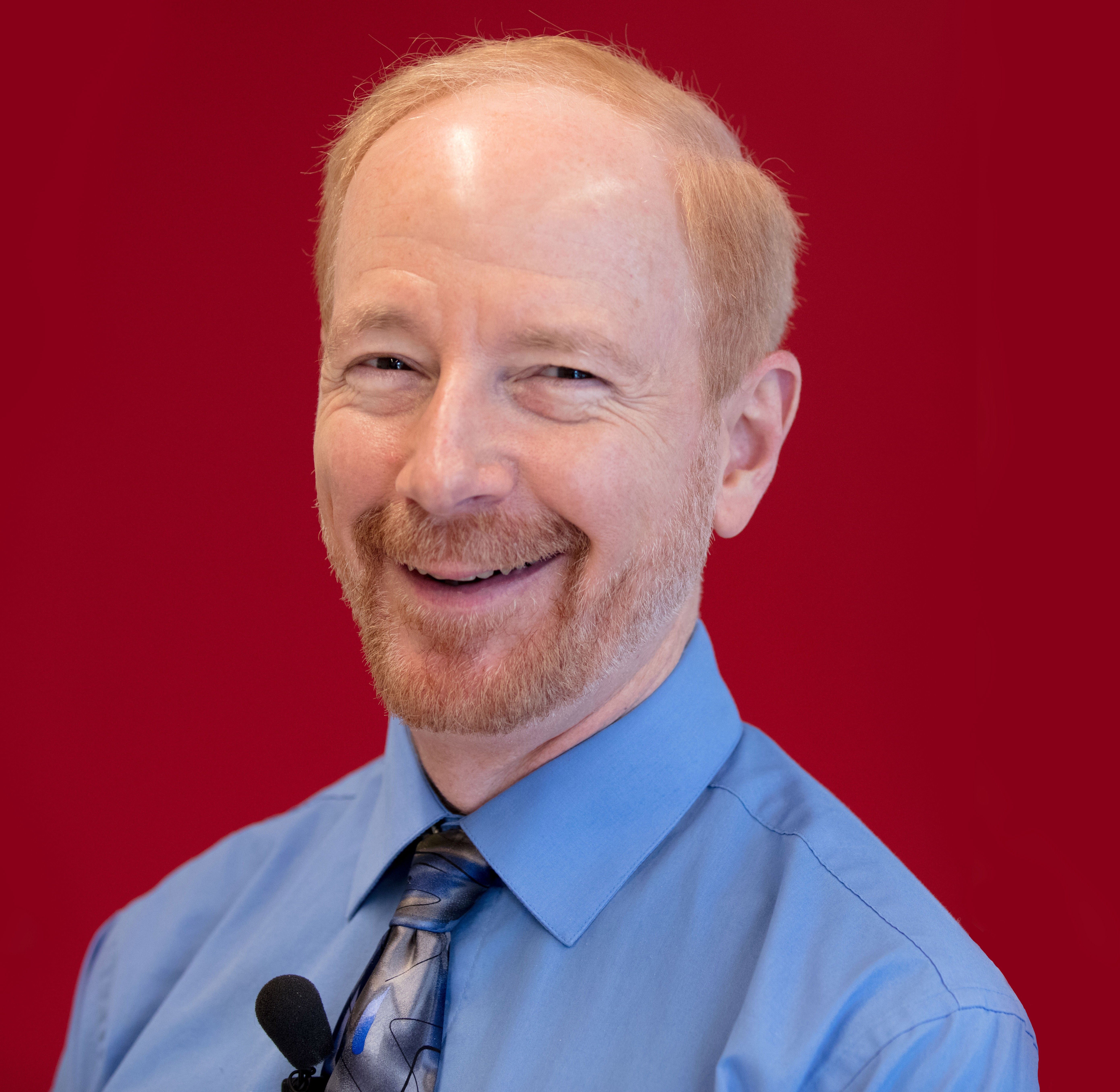
anthony dilollo

Anthony DiLollo, PhD, CCC-SLP

Anthony DiLollo, PhD, CCC-SLP, is a Professor and Director of the Davies School of Communication Sciences and Disorders at Texas Christian University. He has published numerous articles and book chapters on counseling and clinical practice that cater to audiences in audiology, speech-language pathology, and other health and helping professions. Dr. DiLollo is currently working on innovative ways to implement counseling preparation in clinical training programs by establishing it as a foundational skill on which further clinical practice is built.


robert neimeyer

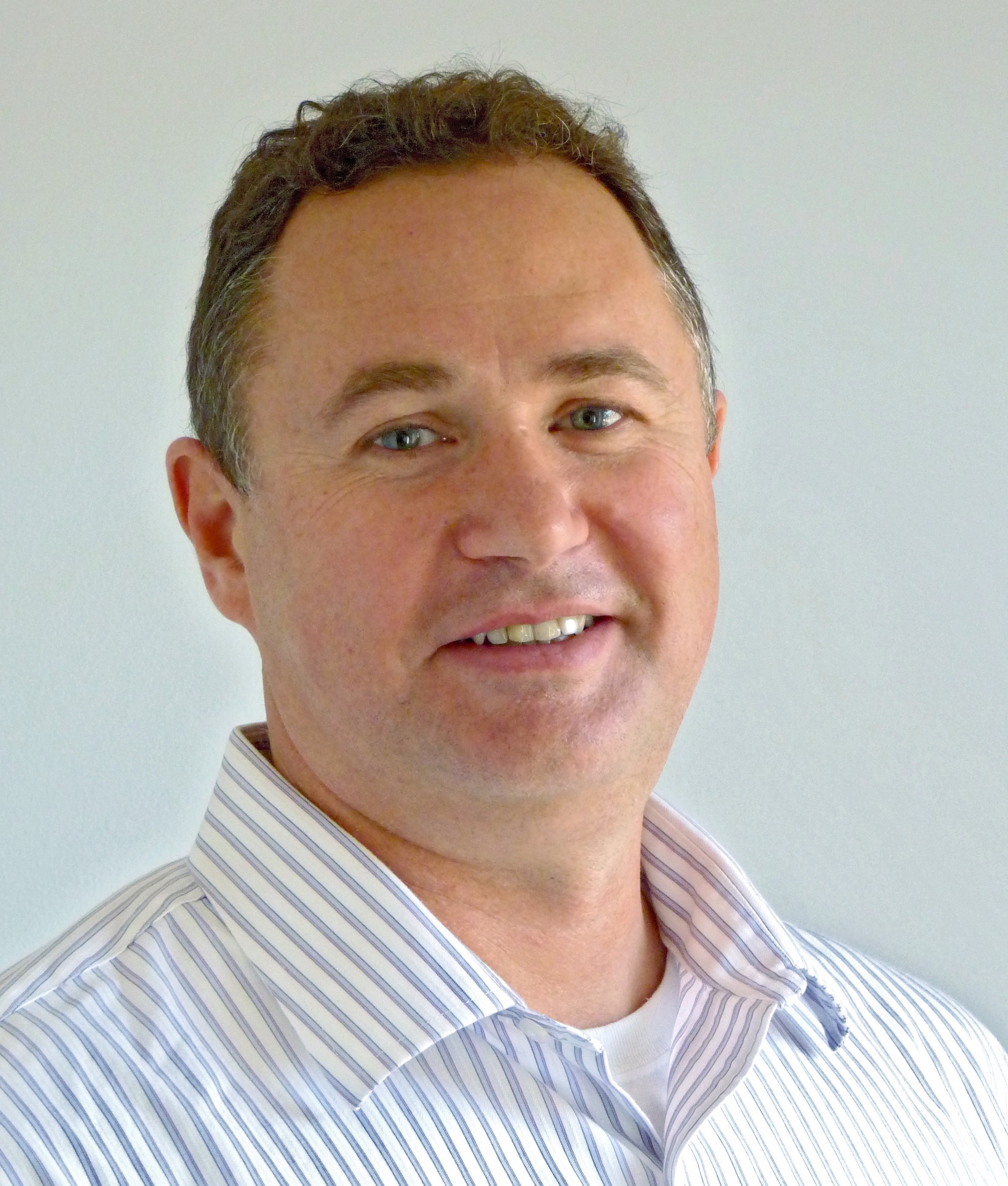
Robert Neimeyer

Robert A. Neimeyer, PhD, is Professor Emeritus of the Department of Psychology at the University of Memphis, maintains an active consulting and coaching practice, and also directs the Portland Institute for Loss and Transition. Dr. Neimeyer has published 30 books, including Routledge's series on Techniques of Grief Therapy, and serves as Editor of Death Studies. The author of over 500 articles and chapters and a popular workshop presenter, he is currently working to advance a more adequate theory of grieving as a meaning-making process. In recognition of his contributions, he has received Lifetime Achievement Awards from both the Association for Death Education and Counseling and the International Network on Personal Meaning.


Related Courses

Textbook: Achieving Communication Competence
Presented by Yvonne Gillette, PhD, ASHA Fellow
Text
Course: #10517Level: Advanced15 Hours
Based on the textbook, Achieving Communication Competence, this course describes a three-step process to create an effective intervention plan for people with severe communication disabilities. Assessment of environmental factors and communication skills, implementation and modification of intervention plans, and progress reporting are discussed.

Textbook: Writing Measurable IEP Goals and Objectives
Presented by Cynthia Herr, PhD, Barbara Bateman, PhD
Text
Course: #10533Level: Intermediate7.5 Hours
Based on the textbook Writing Measurable IEP Goals and Objectives, this course discusses the concept of measurability and how to incorporate a child’s unique needs into legally correct and clear IEP goals and measurable objectives. Case studies provide best-practice examples of goals/objectives for a variety of scenarios.

Textbook: Aligning IEPs to State Standards
Presented by Ginevra Courtade, PhD, Diane Browder, PhD
Text
Course: #10534Level: Intermediate8.5 Hours
Based on the textbook Aligning IEPs to State Standards, this course describes the link between state/federal requirements, state standards, and general education curricula, and how to align IEP goals/objectives with these standards. Case examples are discussed that incorporate multiple academic content areas, as well as assistive technology and self-determination, into IEPs for students with moderate to severe disabilities.

Textbook: Evaluating and Enhancing Children's Phonological Systems - Research and Theory to Practice, Third Edition
Presented by Barbara W. Hodson, PhD
Text
Course: #11104Level: Advanced16.5 Hours
This course is based on the third edition of the textbook Evaluating & Enhancing Children's Phonological Systems: Research & Theory to Practice by Barbara W. Hodson. It presents the knowledge and skills needed to plan evaluations and implement optimal treatment for individuals with highly unintelligible speech. Topics also include phonetics, phonological development/speech sound acquisition, an overview of the diagnostic process, and various intervention approaches, including the Cycles Approach and its application to bilingual/multilingual individuals and special populations.

Textbook: Guide to Clinical Supervision
Presented by Angela Sterling-Orth, MS, CCC-SLP, Patricia Schraeder, MS, CCC-SLP, Ginevra Courtade, PhD
Text
Course: #10099Level: Advanced4.5 Hours
This course, which is based on the textbook Guide to Clinical Supervision, provides tools, tips, and strategies needed to navigate the complex nature of the supervisory process. Evidence-based supervisory models are discussed, along with methods for building relationships, providing feedback and resolving conflict. Easy-to-use resources are also provided.