Does a patient need to show progress with all goals for reimbursement?
Answer
No. However, if the person did not make progress in therapy, it is important to explain why in your documentation. It is important to make progress with our clients, but it is not realistic to think we are going to reach all of their goals the way we thought at the beginning of an evaluation and when we first saw the patient. Reimbursement can still occur as long as you are documenting why the patient was not able to make the progress. For example, did something else happen in the episode of care that has impacted them? Are they having some other health related issues? It is important that you show why, but not necessary that all goals are met in order to get reimbursed for your services.
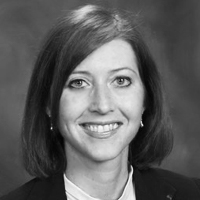
Megan Malone is a speech-language pathologist working as a Clinical Instructor at Kent State University and in home health care for Gentiva Health Services. She previously worked for 9 years as a senior research associate and lead trainer at Myers Research Institute, in Cleveland, OH where she oversaw federally/privately funded grants focused on implementing interventions with older adults with dementia.
Megan L. Malone, M.A., CCC-SLP
Megan Malone is a speech-language pathologist working as a Clinical Instructor at Kent State University and in home health care for Gentiva Health Services. She previously worked for 9 years as a senior research associate and lead trainer at Myers Research Institute, in Cleveland, OH where she oversaw federally/privately funded grants focused on implementing interventions with older adults with dementia. She has spoken numerous times at the annual conventions of the American Speech and Hearing Association, Gerontological Society of America, American Society on Aging, and the Alzheimer’s Association, along with several state speech and hearing conventions. She has published articles in the Journal of Communication Disorders, Alzheimer’s Care Quarterly, The Gerontologist, and Dementia.
Related Courses
1https://www.speechpathology.com/slp-ceus/course/brain-health-basics-strategies-for-9785Brain Health Basics: Strategies for SLPs to Support Healthy Aging for Adult PatientsThis Back to Basics course focuses on the preventative aspect of improving brain health with adult patients, with emphasis on elements that SLPs can target during instruction or counseling aspects of patient treatment and caregiver support. Additional information is provided on advocacy for these services and community outreach to organizations working with older adults.auditory, textual, visual129USDSubscriptionUnlimited COURSE Access for $129/yearOnlineOnlySpeechPathology.comwww.speechpathology.comBrain Health Basics: Strategies for SLPs to Support Healthy Aging for Adult PatientsThis Back to Basics course focuses on the preventative aspect of improving brain health with adult patients, with emphasis on elements that SLPs can target during instruction or counseling aspects of patient treatment and caregiver support. Additional information is provided on advocacy for these services and community outreach to organizations working with older adults.9785OnlinePT60M
This Back to Basics course focuses on the preventative aspect of improving brain health with adult patients, with emphasis on elements that SLPs can target during instruction or counseling aspects of patient treatment and caregiver support. Additional information is provided on advocacy for these services and community outreach to organizations working with older adults.
2https://www.speechpathology.com/slp-ceus/course/mental-health-and-aging-introduction-9745Mental Health and Aging: An Introduction for Healthcare ProfessionalsThis course defines the most common mental health diagnoses found in the elderly population, including risk factors and symptoms. Further instruction is provided on preventing caregiver burnout and other action items for the healthcare professional working with patients with mental illness.auditory, textual, visual129USDSubscriptionUnlimited COURSE Access for $129/yearOnlineOnlySpeechPathology.comwww.speechpathology.comMental Health and Aging: An Introduction for Healthcare ProfessionalsThis course defines the most common mental health diagnoses found in the elderly population, including risk factors and symptoms. Further instruction is provided on preventing caregiver burnout and other action items for the healthcare professional working with patients with mental illness.9745OnlinePT60M
This course defines the most common mental health diagnoses found in the elderly population, including risk factors and symptoms. Further instruction is provided on preventing caregiver burnout and other action items for the healthcare professional working with patients with mental illness.
3https://www.speechpathology.com/slp-ceus/course/continued-conversations-ce-podcast-dementia-9008continued Conversations, The CE Podcast: Dementia Assessment and TreatmentMegan Malone and Jenny Loehr review assessment and treatment of dementia, beginning with an overview of different types of dementia and concluding with goal development and treatment. This is an audio-only podcast with references and further resources included as handouts.auditory129USDSubscriptionUnlimited COURSE Access for $129/yearOnlineOnlySpeechPathology.comwww.speechpathology.comcontinued Conversations, The CE Podcast: Dementia Assessment and TreatmentMegan Malone and Jenny Loehr review assessment and treatment of dementia, beginning with an overview of different types of dementia and concluding with goal development and treatment. This is an audio-only podcast with references and further resources included as handouts.9008OnlinePT60M
Megan Malone and Jenny Loehr review assessment and treatment of dementia, beginning with an overview of different types of dementia and concluding with goal development and treatment. This is an audio-only podcast with references and further resources included as handouts.
4https://www.speechpathology.com/slp-ceus/course/alzheimer-s-101-overview-for-10813Alzheimer's and Other Dementias: Overview for Healthcare ProfessionalsAn overview for healthcare professionals about Alzheimer’s disease and related disorders is provided in this course. Characteristics of the dementias, such as symptoms, progression, and how they are diagnosed, are described. Care planning strategies for improving communication with patients and families, understanding and managing behavioral challenges, and promoting independence are also discussed.auditory, textual, visual129USDSubscriptionUnlimited COURSE Access for $129/yearOnlineOnlySpeechPathology.comwww.speechpathology.comAlzheimer's and Other Dementias: Overview for Healthcare ProfessionalsAn overview for healthcare professionals about Alzheimer’s disease and related disorders is provided in this course. Characteristics of the dementias, such as symptoms, progression, and how they are diagnosed, are described. Care planning strategies for improving communication with patients and families, understanding and managing behavioral challenges, and promoting independence are also discussed.10813OnlinePT60M
An overview for healthcare professionals about Alzheimer’s disease and related disorders is provided in this course. Characteristics of the dementias, such as symptoms, progression, and how they are diagnosed, are described. Care planning strategies for improving communication with patients and families, understanding and managing behavioral challenges, and promoting independence are also discussed.
5https://www.speechpathology.com/slp-ceus/course/montessori-method-for-dementia-and-10053Montessori Method for Dementia and Aging: Overview & Applications to Speech TherapyThis course provides an overview of using Montessori methods when working with the aging population and patients with dementia. This approach is evidence-based, person-centered, and based on the Montessori educational philosophy that promotes independence, engagement in activities, and care for one’s self, others and the environment. Application of Montessori principles to speech therapy and caregiving interactions is also described.auditory, textual, visual129USDSubscriptionUnlimited COURSE Access for $129/yearOnlineOnlySpeechPathology.comwww.speechpathology.comMontessori Method for Dementia and Aging: Overview & Applications to Speech TherapyThis course provides an overview of using Montessori methods when working with the aging population and patients with dementia. This approach is evidence-based, person-centered, and based on the Montessori educational philosophy that promotes independence, engagement in activities, and care for one’s self, others and the environment. Application of Montessori principles to speech therapy and caregiving interactions is also described.10053OnlinePT60M
This course provides an overview of using Montessori methods when working with the aging population and patients with dementia. This approach is evidence-based, person-centered, and based on the Montessori educational philosophy that promotes independence, engagement in activities, and care for one’s self, others and the environment. Application of Montessori principles to speech therapy and caregiving interactions is also described.