
SpeechPathology.com Phone: 800-242-5183


Strides Therapy & Educational Services - Join Team - November 2025

Short Gut Syndrome

Abby Mathews, MA, CCC-SLP, Luann Stevens, MA, CCC-SLP

January 30, 2017

Share:

Question

What is short gut syndrome and how is it managed?

Answer

Short gut or short bowel syndrome is a condition that occurs when a large portion of the intestines does not work normally. Either a large section of the bowel has been surgically removed, or a baby is born with abnormal intestines. The complications that frequently occur include failure to thrive, dehydration, and central line infections for patients on TPN (Total Parenteral Nutrition). These dangers are the reason that these patients require close medical and nutritional follow-up.

Intestinal failure is a side effect of short gut syndrome and is defined as the inability to sustain adequate nutritional, electrolyte or hydrational status in the absence of specialized nutritional support (Buchman, 2006). Research conducted by Buchman found that the largest single group of patients who receive home TPN were those with short bowel syndrome. Many medically fragile children require TPN for a variety of reasons, however a child with short guy syndrome will have the TPN for much longer. Of course, the longer the patient needs a PICC line or central line for their TPN, the higher the risk of complications and challenges for the family and patients. Therefore, it is important to transition a patient off of TPN as quickly as possible.

The purpose of intestinal rehabilitation is to help the child grow at an adequate pace. Strategies and therapies are designed to make the bowel work better, including nutrition support, nutritional rehabilitation, medical management or restorative surgery. This is done by using specialized formula, manipulating the rate and schedules of enteral feeds, and balancing feeds, fluids, TPN, IV fluids and enteral feeds. Medications are integrated as needed and surgeries are coordinated when needed as well.  Therapies are constantly readjusted based on whether or not the child is gaining weight, if they have had any additional surgeries, and if their oral skills are advancing.  

In summary, the goal of intestinal rehabilitation is to transition the child off TPN, for the child to tolerate enteral feeds, and maximize oral interest. 

Please refer to the SpeechPathology.com course, The Speech Pathologist's Role with the Pediatric Intestinal Rehabilitation Population, presented in partnership with Cincinnati Children's for more in-depth information about speech pathology services that are beneficial to pediatric patients with short bowel syndrome.
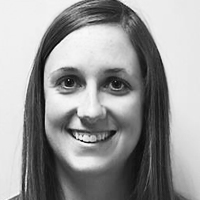
abby mathews

Abby Mathews, MA, CCC-SLP

Abby Mathews is a graduate of the University of Toledo and has been working as a Speech Language Pathologist at Cincinnati Children’s Hospital Medical Center for 7 years.  She currently works as an inpatient therapist on the Gastrointestinal/Colorectal Surgery unit, Complex Surgery and Transplant unit, Oncology/Hematology unit, and Bone Marrow Transplant unit. She treats patients with a variety of feeding and language disorders.  She has previously worked as an outpatient therapist at Cincinnati Children’s Hospital Medical Center and outpatient therapist at a pediatric private practice. 


luann stevens

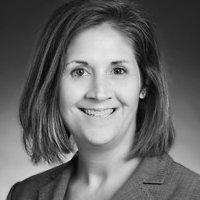
Luann Stevens, MA, CCC-SLP

Luann Stevens is a graduate of the University of Cincinnati and works as an inpatient Speech Language Pathologist at Cincinnati Children’s Hospital Medical Center, Main Campus.  Her area of interest and expertise is working with patients with feeding difficulties related to complex airway issues, tracheostomy, and aspiration. Another area of specialty is evaluation and treatment of feeding disorders for children with gastrointestinal problems including bowel resection, transplant, reflux and failure to thrive. Luann also performs video swallow studies and FEES examinations. She has been with the Division of Speech Pathology since 1999.


Related Courses

Thickened Liquids in Clinical Practice: The Plot “Thickens”
Presented by Angela Mansolillo, MA, CCC-SLP, BCS-S
Video

Presenter

Angela Mansolillo, MA, CCC-SLP, BCS-S
Course: #10497Level: Intermediate1 Hour
  'Great information'   Read Reviews
Clinicians who utilize thickened liquids in their clinical practice are aware of their benefits, but what about the risks and contraindications? Advantages and disadvantages of thickened liquids are reviewed in this course with a focus on clinical outcomes, including impacts on medication administration, lung health, and hydration. Product types are evaluated to facilitate appropriate choices for individual clients.

Dysphagia in Neurodegenerative Disease
Presented by Debra M. Suiter, PhD, CCC-SLP, BCS-S
Video

Presenter

Debra M. Suiter, PhD, CCC-SLP, BCS-S
Course: #9732Level: Intermediate1 Hour
  'Good comparisons between ALS/ PD with appropriate types of interventions'   Read Reviews
Dysphagia is common in individuals with amyotrophic lateral sclerosis (ALS) and Parkinson’s disease. This course discusses the underlying pathophysiology and appropriate treatment programs for each disease, as well as use of alternate methods of nutrition/hydration.

20Q: In the Thick of It - The International Dysphagia Diet Standardization Initiative (IDDSI)
Presented by Jennifer Raminick, MA, CCC-SLP, BCS-S, Danielle Ward, MA, CCC-SLP
Text

Presenters

Jennifer Raminick, MA, CCC-SLP, BCS-SDanielle Ward, MA, CCC-SLP
Course: #10756Level: Intermediate1 Hour
  'Anything that teaches me more about IDDSI is great'   Read Reviews
The importance of using IDSSI to provide standardized language when speaking about texture modification is discussed in this course. Comparisons of IDDSI and the National Dysphagia Diet (NDD), as well as IDDSI standards for pediatric vs. adult patients are presented. Additionally, potential barriers, solutions, and frequently asked questions related to implementation of IDDSI are described.

Back to Basics: Swallow Screening: How, When, and Who
Presented by Angela Mansolillo, MA, CCC-SLP, BCS-S
Video

Presenter

Angela Mansolillo, MA, CCC-SLP, BCS-S
Course: #8969Level: Introductory1 Hour
  'Very knowledgeable presenter and easy to listen to'   Read Reviews
Screening of swallow function is a well-regarded tool to identify individuals who are potentially at risk of dysphagia and in need of full swallow assessment, but the options are many and varied. This "back to basics" course teaches participants to make informed, evidence-based choices regarding appropriate screening tools specific to their particular patient populations and settings.

ALS: Medications and Oral Care
Presented by Denise Dougherty, MA, CCC-SLP
Video

Presenter

Denise Dougherty, MA, CCC-SLP
Course: #8717Level: Intermediate1 Hour
  'medication, both OTC and pharmalogical, knowledge'   Read Reviews
This is Part 1 of a three-part series on amyotrophic lateral sclerosis (ALS). This course will identify medication and complementary alternative medicine that may be used by patients to treat ALS. The importance of saliva management and mouth care as a critical component of their daily care will be discussed, along with strategies. (Part 2: Course #8719, Part 3: #8720)

Our site uses cookies to improve your experience. By using our site, you agree to our Privacy Policy.