Galactosemia is a genetic disorder in which the child is born with a deficit where they are unable to properly digest galactose, which is one of the main sugars in milk. These children have significant health issues related to milk, and often times if they are not diagnosed earlier, I am told this is a condition that can occasionally be fatal. But nowadays it actually is usually caught early.
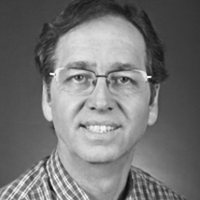
Dr. Peter Flipsen Jr. is a Professor of Speech-Language Pathology at Idaho State University. He is the author of more than 20 peer-reviewed journal articles and the co-author (with John Bernthal and Nicolas Bankson) of Articulation and Phonological Disorders: Speech Sound Disorders in Children. His current research focuses on speech and language development in children with cochlear implants as well as on the measurement of intelligibility of speech in children.
Peter Flipsen, Ph.D. Jr., S-LP(C), CCC-SLP
Dr. Peter Flipsen Jr. is a Professor of Speech-Language Pathology at Idaho State University. He is the author of more than 20 peer-reviewed journal articles and the co-author (with John Bernthal and Nicolas Bankson) of Articulation and Phonological Disorders: Speech Sound Disorders in Children. His current research focuses on speech and language development in children with cochlear implants as well as on the measurement of intelligibility of speech in children.
Related Courses
1https://www.speechpathology.com/slp-ceus/course/20q-using-speech-science-in-1032620Q: Using Speech Science in Clinical PracticeMany speech-language pathology clinicians find speech science daunting and not applicable to their clinical practice. This course discusses why and how speech science is useful in understanding speech disorders and differences. Examples are provided of how to assess and treat speech disorders using speech science-based principles and techniques such as the source-filter theory and acoustic, physiologic and biofeedback measures.textual, visual129USDSubscriptionUnlimited COURSE Access for $129/yearOnlineOnlySpeechPathology.comwww.speechpathology.com20Q: Using Speech Science in Clinical PracticeMany speech-language pathology clinicians find speech science daunting and not applicable to their clinical practice. This course discusses why and how speech science is useful in understanding speech disorders and differences. Examples are provided of how to assess and treat speech disorders using speech science-based principles and techniques such as the source-filter theory and acoustic, physiologic and biofeedback measures.10326OnlinePT60M
Many speech-language pathology clinicians find speech science daunting and not applicable to their clinical practice. This course discusses why and how speech science is useful in understanding speech disorders and differences. Examples are provided of how to assess and treat speech disorders using speech science-based principles and techniques such as the source-filter theory and acoustic, physiologic and biofeedback measures.
2https://www.speechpathology.com/slp-ceus/course/motor-planning-impact-on-communication-10222Motor Planning: The Impact on Communication and BeyondMaster skills to implement in your practice immediately with continued Master Class. This four-hour course describes the components of motor planning and the areas of impact. Assessment, strategies for supporting clients with motor planning challenges, and tips for discussing praxis with caregivers are also addressed.auditory, textual, visual129USDSubscriptionUnlimited COURSE Access for $129/yearOnlineOnlySpeechPathology.comwww.speechpathology.comMotor Planning: The Impact on Communication and BeyondMaster skills to implement in your practice immediately with continued Master Class. This four-hour course describes the components of motor planning and the areas of impact. Assessment, strategies for supporting clients with motor planning challenges, and tips for discussing praxis with caregivers are also addressed.10222OnlinePT240M
Master skills to implement in your practice immediately with continued Master Class. This four-hour course describes the components of motor planning and the areas of impact. Assessment, strategies for supporting clients with motor planning challenges, and tips for discussing praxis with caregivers are also addressed.
3https://www.speechpathology.com/slp-ceus/course/20q-dynamics-school-based-speech-1000220Q: Dynamics of School-Based Speech and Language Therapy VariablesThis course reviews dynamics of speech and language therapy variables such as session frequency, intervention intensity, and dosage, and how these are impacted by different service delivery models. It discusses how therapy outcomes are related to therapy quality, IEP goals, and SLP-level variables such as job satisfaction and caseload size.textual, visual129USDSubscriptionUnlimited COURSE Access for $129/yearOnlineOnlySpeechPathology.comwww.speechpathology.com20Q: Dynamics of School-Based Speech and Language Therapy VariablesThis course reviews dynamics of speech and language therapy variables such as session frequency, intervention intensity, and dosage, and how these are impacted by different service delivery models. It discusses how therapy outcomes are related to therapy quality, IEP goals, and SLP-level variables such as job satisfaction and caseload size.10002OnlinePT60M
This course reviews dynamics of speech and language therapy variables such as session frequency, intervention intensity, and dosage, and how these are impacted by different service delivery models. It discusses how therapy outcomes are related to therapy quality, IEP goals, and SLP-level variables such as job satisfaction and caseload size.
4https://www.speechpathology.com/slp-ceus/course/sleuthing-for-s-and-r-9237Sleuthing for /s/ and /r/: Facilitating Strategies for Residual Sound ErrorsThis course will discuss the rationale and strategies for teaching production of /s/ and /r/ for upper elementary school-age children and older. Errors on these two sounds are considered residual when production continues to be inaccurate beyond the developmental age of acquisition.auditory, textual, visual129USDSubscriptionUnlimited COURSE Access for $129/yearOnlineOnlySpeechPathology.comwww.speechpathology.comSleuthing for /s/ and /r/: Facilitating Strategies for Residual Sound ErrorsThis course will discuss the rationale and strategies for teaching production of /s/ and /r/ for upper elementary school-age children and older. Errors on these two sounds are considered residual when production continues to be inaccurate beyond the developmental age of acquisition.9237OnlinePT120M
This course will discuss the rationale and strategies for teaching production of /s/ and /r/ for upper elementary school-age children and older. Errors on these two sounds are considered residual when production continues to be inaccurate beyond the developmental age of acquisition.
5https://www.speechpathology.com/slp-ceus/course/20q-continuum-approach-for-sorting-1000820Q: A Continuum Approach for Sorting Out Processing DisordersThere is a good deal of confusion among audiologists and speech-language pathologists when a diagnosis of “processing disorder” is introduced. This course presents a continuum model to differentiate processing disorders into acoustic, phonemic, or linguistic aspects so that assessment and treatment can become more focused and effective. The roles of audiologists and SLPs in relation to processing disorders are described, and compensatory strategies for differing aspects of processing are presented.textual, visual129USDSubscriptionUnlimited COURSE Access for $129/yearOnlineOnlySpeechPathology.comwww.speechpathology.com20Q: A Continuum Approach for Sorting Out Processing DisordersThere is a good deal of confusion among audiologists and speech-language pathologists when a diagnosis of “processing disorder” is introduced. This course presents a continuum model to differentiate processing disorders into acoustic, phonemic, or linguistic aspects so that assessment and treatment can become more focused and effective. The roles of audiologists and SLPs in relation to processing disorders are described, and compensatory strategies for differing aspects of processing are presented.10008OnlinePT60M
There is a good deal of confusion among audiologists and speech-language pathologists when a diagnosis of “processing disorder” is introduced. This course presents a continuum model to differentiate processing disorders into acoustic, phonemic, or linguistic aspects so that assessment and treatment can become more focused and effective. The roles of audiologists and SLPs in relation to processing disorders are described, and compensatory strategies for differing aspects of processing are presented.