Question
I have an 8 year old son who has tongue thrust. I am having a hard time finding a speech pathologist in Stuart, Florida who has experience with tongue thrust. Any reccomendations? Also, are you in favor of habit appliances?
Answer
The best source for finding individuals who are trained in orofacial myology, or tongue thrust, is the International Association of Orofacial Myology. Visit their website at www.iaom.com. In that website is a directory of providers in various states and parts of the world. This may be a good place to start the search for a provider. I am in favor of some habit appliances, although only in conjunction with treatment. Appliances alone cannot fully address the issues related to oral habits, while they can be a beneficial tool as part of an overall program.
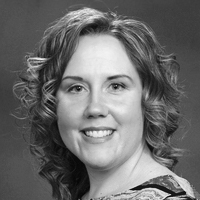
Marsha Lee-White, MA, CCC-SLP is a speech-language pathologist at the Cincinnati Children's Hospital Medical Center, providing services at the Outpatient Mason satellite. She is a certified orofacial myologist through the International Association of Orofacial Myology, and a certified member of the American Speech-Language-Hearing Association (ASHA). She has been providing clinical services to patients with orofacial myofunctional disorders/tongue thrust for approximately 15 years and has presented at the local and state level on this topic.
Marsha Lee-White ., M.S.,CCC-SLP
Related Courses
1https://www.speechpathology.com/slp-ceus/course/dirfloortime-174-beyond-playing-on-9642DIRFloortime®: Beyond Playing on the FloorThe DIRFloortime® framework can be used not only with children with autism, but with a wide variety of ages and diagnoses. This 4-hour master class describes DIRFloortime principles and concepts such as Functional Emotional Developmental Capacities (FEDCs) and relationship-based intervention. Case studies provide examples of goals and therapy activities, including virtual experiences, for various populations.auditory, textual, visual129USDSubscriptionUnlimited COURSE Access for $129/yearOnlineOnlySpeechPathology.comwww.speechpathology.comDIRFloortime®: Beyond Playing on the FloorThe DIRFloortime® framework can be used not only with children with autism, but with a wide variety of ages and diagnoses. This 4-hour master class describes DIRFloortime principles and concepts such as Functional Emotional Developmental Capacities (FEDCs) and relationship-based intervention. Case studies provide examples of goals and therapy activities, including virtual experiences, for various populations.9642OnlinePT240M
The DIRFloortime® framework can be used not only with children with autism, but with a wide variety of ages and diagnoses. This 4-hour master class describes DIRFloortime principles and concepts such as Functional Emotional Developmental Capacities (FEDCs) and relationship-based intervention. Case studies provide examples of goals and therapy activities, including virtual experiences, for various populations.
2https://www.speechpathology.com/slp-ceus/course/20q-ankyloglossia-myths-and-evidence-1099020Q: Ankyloglossia - Myths and Evidence Regarding Its Effects on FunctionThere is much controversy about the diagnosis of ankyloglossia and its potential effects on neonatal feeding and speech. Guidance regarding the diagnosis of ankyloglossia and a summary of current research regarding its potential effects on function are provided in this course.textual, visual129USDSubscriptionUnlimited COURSE Access for $129/yearOnlineOnlySpeechPathology.comwww.speechpathology.com20Q: Ankyloglossia - Myths and Evidence Regarding Its Effects on FunctionThere is much controversy about the diagnosis of ankyloglossia and its potential effects on neonatal feeding and speech. Guidance regarding the diagnosis of ankyloglossia and a summary of current research regarding its potential effects on function are provided in this course.10990OnlinePT60M
There is much controversy about the diagnosis of ankyloglossia and its potential effects on neonatal feeding and speech. Guidance regarding the diagnosis of ankyloglossia and a summary of current research regarding its potential effects on function are provided in this course.
3https://www.speechpathology.com/slp-ceus/course/facilitating-first-verbs-through-shared-9735Facilitating First Verbs through Shared Book ReadingThis course discusses early verb acquisition, choosing first verb targets, and a variety of strategies to facilitate verb learning using children’s picture books as a therapy context.auditory, textual, visual129USDSubscriptionUnlimited COURSE Access for $129/yearOnlineOnlySpeechPathology.comwww.speechpathology.comFacilitating First Verbs through Shared Book ReadingThis course discusses early verb acquisition, choosing first verb targets, and a variety of strategies to facilitate verb learning using children’s picture books as a therapy context.9735OnlinePT60M
This course discusses early verb acquisition, choosing first verb targets, and a variety of strategies to facilitate verb learning using children’s picture books as a therapy context.
4https://www.speechpathology.com/slp-ceus/course/20q-dynamics-school-based-speech-1000220Q: Dynamics of School-Based Speech and Language Therapy VariablesThis course reviews dynamics of speech and language therapy variables such as session frequency, intervention intensity, and dosage, and how these are impacted by different service delivery models. It discusses how therapy outcomes are related to therapy quality, IEP goals, and SLP-level variables such as job satisfaction and caseload size.textual, visual129USDSubscriptionUnlimited COURSE Access for $129/yearOnlineOnlySpeechPathology.comwww.speechpathology.com20Q: Dynamics of School-Based Speech and Language Therapy VariablesThis course reviews dynamics of speech and language therapy variables such as session frequency, intervention intensity, and dosage, and how these are impacted by different service delivery models. It discusses how therapy outcomes are related to therapy quality, IEP goals, and SLP-level variables such as job satisfaction and caseload size.10002OnlinePT60M
This course reviews dynamics of speech and language therapy variables such as session frequency, intervention intensity, and dosage, and how these are impacted by different service delivery models. It discusses how therapy outcomes are related to therapy quality, IEP goals, and SLP-level variables such as job satisfaction and caseload size.
5https://www.speechpathology.com/slp-ceus/course/recognizing-fetal-alcohol-spectrum-disorders-8724Recognizing Fetal Alcohol Spectrum Disorders (FASD) to Improve OutcomesThis course will provide information on the importance of identifying individuals who may have a fetal alcohol spectrum disorder. It will examine how the brain damage from prenatal alcohol exposure affects one's behavior, and best approaches for working with individuals with FASD and their families.auditory, textual, visual129USDSubscriptionUnlimited COURSE Access for $129/yearOnlineOnlySpeechPathology.comwww.speechpathology.comRecognizing Fetal Alcohol Spectrum Disorders (FASD) to Improve OutcomesThis course will provide information on the importance of identifying individuals who may have a fetal alcohol spectrum disorder. It will examine how the brain damage from prenatal alcohol exposure affects one's behavior, and best approaches for working with individuals with FASD and their families.8724OnlinePT60M
This course will provide information on the importance of identifying individuals who may have a fetal alcohol spectrum disorder. It will examine how the brain damage from prenatal alcohol exposure affects one's behavior, and best approaches for working with individuals with FASD and their families.