Are cognitive retraining software products such as Luminosity, Brain Fitness, Brain Train considered to be useful for training compensatory strategies or are they more of a restorative type of therapy?
Answer
I have had different applications with these types of products. I really like software like Brain Fit and others for older individuals because they help keep us mentally ‘sharp’. They can also be great to use with patients who are on some type of home program provided the individual has an adequate attention span. So, these types of products do have some value but I would not use them as the sole purpose of my therapy session. I would not be in favor of that. As a clinician, it is my job to assess the patient and to know when to advance in therapy. That is going to be hard to do with just software applications. They can provide excellent reinforcement for something that is a 70% or greater response. Below that I think the patient is going to deal with some frustration.
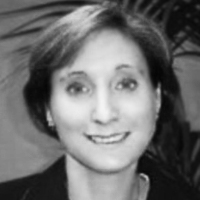
Sue Curfman has been in the field of healthcare for 30 years with experience across the continuum of care including acute hospital, inpatient rehab, home health, outpatient and skilled nursing. She is a speech pathologist by training and serves as the Assistant Vice President for Post Acute Services at Saint Anthony’s Health Center in Alton, IL.
Susan M. Curfman, MA, CCC-SLP
Sue Curfman has been in the field of healthcare for 30 years with experience across the continuum of care including acute hospital, inpatient rehab, home health, outpatient and skilled nursing. She is a speech pathologist by training and serves as the Assistant Vice President for Post Acute Services at Saint Anthony’s Health Center in Alton, IL. She is responsible for the clinical, operational and fiscal management of inpatient rehab, skilled nursing, home health, hospice, adult day care and outpatient therapy services. Sue also holds certificates in Case Management and Quality Management.
The presenter has no financial considerations or relationships with any products related to this presentation.
Related Courses
1https://www.speechpathology.com/slp-ceus/course/dysphagia-in-neurodegenerative-disease-9732Dysphagia in Neurodegenerative DiseaseDysphagia is common in individuals with amyotrophic lateral sclerosis (ALS) and Parkinson’s disease. This course discusses the underlying pathophysiology and appropriate treatment programs for each disease, as well as use of alternate methods of nutrition/hydration.auditory, textual, visual129USDSubscriptionUnlimited COURSE Access for $129/yearOnlineOnlySpeechPathology.comwww.speechpathology.comDysphagia in Neurodegenerative DiseaseDysphagia is common in individuals with amyotrophic lateral sclerosis (ALS) and Parkinson’s disease. This course discusses the underlying pathophysiology and appropriate treatment programs for each disease, as well as use of alternate methods of nutrition/hydration.9732OnlinePT60M
Dysphagia is common in individuals with amyotrophic lateral sclerosis (ALS) and Parkinson’s disease. This course discusses the underlying pathophysiology and appropriate treatment programs for each disease, as well as use of alternate methods of nutrition/hydration.
2https://www.speechpathology.com/slp-ceus/course/best-practice-for-assessment-and-9759Best Practice for Assessment and Treatment of Bilingual AphasiaThis course focuses on best practice in the assessment and treatment of bilingual aphasia by speech-language pathologists. Recommended practices are contrasted against common mistakes made by clinicians working with bilingual patients with aphasia. Implementation of best practices are modeled through case studies.auditory, textual, visual129USDSubscriptionUnlimited COURSE Access for $129/yearOnlineOnlySpeechPathology.comwww.speechpathology.comBest Practice for Assessment and Treatment of Bilingual AphasiaThis course focuses on best practice in the assessment and treatment of bilingual aphasia by speech-language pathologists. Recommended practices are contrasted against common mistakes made by clinicians working with bilingual patients with aphasia. Implementation of best practices are modeled through case studies.9759OnlinePT90M
This course focuses on best practice in the assessment and treatment of bilingual aphasia by speech-language pathologists. Recommended practices are contrasted against common mistakes made by clinicians working with bilingual patients with aphasia. Implementation of best practices are modeled through case studies.
3https://www.speechpathology.com/slp-ceus/course/social-isolation-and-covid-19-9514Social Isolation and COVID-19 Cognitive Decline: From Zero to Hero!Social distancing and isolation associated with the COVID-10 pandemic have begun to take a toll on patients in residential settings, but SLPs can help mitigate the long-term consequences. This course discusses the risk factors for and effects of isolation, as well as potential strategies to prevent or reverse pandemic-related cognitive decline.auditory, textual, visual129USDSubscriptionUnlimited COURSE Access for $129/yearOnlineOnlySpeechPathology.comwww.speechpathology.comSocial Isolation and COVID-19 Cognitive Decline: From Zero to Hero!Social distancing and isolation associated with the COVID-10 pandemic have begun to take a toll on patients in residential settings, but SLPs can help mitigate the long-term consequences. This course discusses the risk factors for and effects of isolation, as well as potential strategies to prevent or reverse pandemic-related cognitive decline.9514OnlinePT60M
Social distancing and isolation associated with the COVID-10 pandemic have begun to take a toll on patients in residential settings, but SLPs can help mitigate the long-term consequences. This course discusses the risk factors for and effects of isolation, as well as potential strategies to prevent or reverse pandemic-related cognitive decline.
4https://www.speechpathology.com/slp-ceus/course/brain-health-basics-strategies-for-9785Brain Health Basics: Strategies for SLPs to Support Healthy Aging for Adult PatientsThis Back to Basics course focuses on the preventative aspect of improving brain health with adult patients, with emphasis on elements that SLPs can target during instruction or counseling aspects of patient treatment and caregiver support. Additional information is provided on advocacy for these services and community outreach to organizations working with older adults.auditory, textual, visual129USDSubscriptionUnlimited COURSE Access for $129/yearOnlineOnlySpeechPathology.comwww.speechpathology.comBrain Health Basics: Strategies for SLPs to Support Healthy Aging for Adult PatientsThis Back to Basics course focuses on the preventative aspect of improving brain health with adult patients, with emphasis on elements that SLPs can target during instruction or counseling aspects of patient treatment and caregiver support. Additional information is provided on advocacy for these services and community outreach to organizations working with older adults.9785OnlinePT60M
This Back to Basics course focuses on the preventative aspect of improving brain health with adult patients, with emphasis on elements that SLPs can target during instruction or counseling aspects of patient treatment and caregiver support. Additional information is provided on advocacy for these services and community outreach to organizations working with older adults.
5https://www.speechpathology.com/slp-ceus/course/post-concussive-syndrome-10057Post-concussive SyndromeThis course describes post-concussive syndrome, including etiology, predictors, and common symptoms. Differential diagnosis and treatment considerations are also addressed.auditory, textual, visual129USDSubscriptionUnlimited COURSE Access for $129/yearOnlineOnlySpeechPathology.comwww.speechpathology.comPost-concussive SyndromeThis course describes post-concussive syndrome, including etiology, predictors, and common symptoms. Differential diagnosis and treatment considerations are also addressed.10057OnlinePT60M
This course describes post-concussive syndrome, including etiology, predictors, and common symptoms. Differential diagnosis and treatment considerations are also addressed.