Can children with selective mutism communicate by writing?
Answer
Yes they can communicate by writing, but many children who have selective mutism have difficulty with it because it is a form of communication. Some children with more severe selective mutism will have difficulty writing, responding nonverbally, sometimes even drawing, because all of that is a form of communication. The more open-ended and the more personal the writing, the more difficulty many of these children have. On the opposite side, the more concrete and more specific the writing, the easier time they have responding.
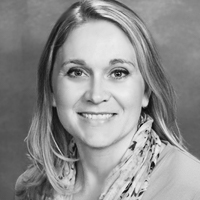
Dr. Aimee Kotrba is a licensed clinical psychologist specializing in the expert assessment and treatment of Selective Mutism and Social Anxiety. She serves as the President of the Selective Mutism Group (SMG) Board of Directors and is a nationally recognized speaker offering local and national workshops on the identification and treatment of Selective Mutism.
Aimee Kotrba, Ph.D.
Dr. Aimee Kotrba is a licensed clinical psychologist specializing in the expert assessment and treatment of Selective Mutism and Social Anxiety. She serves as the President of the Selective Mutism Group (SMG) Board of Directors and is a nationally recognized speaker offering local and national workshops on the identification and treatment of Selective Mutism for parents, professionals, and school personnel. Dr. Kotrba is the owner of Thriving Minds Behavioral Health in Brighton Michigan, offering expert treatment of Selective Mutism.
Related Courses
1https://www.speechpathology.com/slp-ceus/course/ripple-effect-stuttering-community-based-9217The Ripple Effect of Stuttering: A Community-Based ApproachThis is Part 2 of a four-part series. The stuttering experience has a ripple effect that extends far beyond the child who stutters. Parents, teachers, peers, and others must possess both knowledge and skills to best support children who stutter. This course will highlight new clinical tools and resources to provide a community-based treatment approach for stuttering. (Part 1 - Course 9278, Part 3 - Course 9301, Part 4 - Course 9304)auditory, textual, visual129USDSubscriptionUnlimited COURSE Access for $129/yearOnlineOnlySpeechPathology.comwww.speechpathology.comThe Ripple Effect of Stuttering: A Community-Based ApproachThis is Part 2 of a four-part series. The stuttering experience has a ripple effect that extends far beyond the child who stutters. Parents, teachers, peers, and others must possess both knowledge and skills to best support children who stutter. This course will highlight new clinical tools and resources to provide a community-based treatment approach for stuttering. (Part 1 - Course 9278, Part 3 - Course 9301, Part 4 - Course 9304)9217OnlinePT120M
This is Part 2 of a four-part series. The stuttering experience has a ripple effect that extends far beyond the child who stutters. Parents, teachers, peers, and others must possess both knowledge and skills to best support children who stutter. This course will highlight new clinical tools and resources to provide a community-based treatment approach for stuttering. (Part 1 - Course 9278, Part 3 - Course 9301, Part 4 - Course 9304)
2https://www.speechpathology.com/slp-ceus/course/20q-infection-control-strategies-for-972920Q: Infection Control Strategies for SLPsSpeech-language pathologists are expected by policy authorities to apply appropriate measures to protect patients, co-workers and themselves in clinical situations that may expose individuals to infectious microbes. This article provides practical guidelines for implementing infection control principles within the context of the COVID-19 pandemic, including discussion of personal protective equipment (PPE) and disinfecting and cleaning products.textual, visual129USDSubscriptionUnlimited COURSE Access for $129/yearOnlineOnlySpeechPathology.comwww.speechpathology.com20Q: Infection Control Strategies for SLPsSpeech-language pathologists are expected by policy authorities to apply appropriate measures to protect patients, co-workers and themselves in clinical situations that may expose individuals to infectious microbes. This article provides practical guidelines for implementing infection control principles within the context of the COVID-19 pandemic, including discussion of personal protective equipment (PPE) and disinfecting and cleaning products.9729OnlinePT60M
Speech-language pathologists are expected by policy authorities to apply appropriate measures to protect patients, co-workers and themselves in clinical situations that may expose individuals to infectious microbes. This article provides practical guidelines for implementing infection control principles within the context of the COVID-19 pandemic, including discussion of personal protective equipment (PPE) and disinfecting and cleaning products.
3https://www.speechpathology.com/slp-ceus/course/thickened-liquids-in-clinical-practice-10497Thickened Liquids in Clinical Practice: The Plot “Thickens”Clinicians who utilize thickened liquids in their clinical practice are aware of their benefits, but what about the risks and contraindications? Advantages and disadvantages of thickened liquids are reviewed in this course with a focus on clinical outcomes, including impacts on medication administration, lung health, and hydration. Product types are evaluated to facilitate appropriate choices for individual clients.auditory, textual, visual129USDSubscriptionUnlimited COURSE Access for $129/yearOnlineOnlySpeechPathology.comwww.speechpathology.comThickened Liquids in Clinical Practice: The Plot “Thickens”Clinicians who utilize thickened liquids in their clinical practice are aware of their benefits, but what about the risks and contraindications? Advantages and disadvantages of thickened liquids are reviewed in this course with a focus on clinical outcomes, including impacts on medication administration, lung health, and hydration. Product types are evaluated to facilitate appropriate choices for individual clients.10497OnlinePT60M
Clinicians who utilize thickened liquids in their clinical practice are aware of their benefits, but what about the risks and contraindications? Advantages and disadvantages of thickened liquids are reviewed in this course with a focus on clinical outcomes, including impacts on medication administration, lung health, and hydration. Product types are evaluated to facilitate appropriate choices for individual clients.
4https://www.speechpathology.com/slp-ceus/course/slp-in-nicu-overview-11267SLP in the NICU: An OverviewThis course provides an introductory overview of Speech-Language Pathology services in the Neonatal Intensive Care Unit (NICU), including the unique environment, the SLP’s role, and key components of neonatal care. Topics include cue-based and supportive feeding strategies, instrumental assessments, and approaches for empowering and supporting parents and caregivers.auditory, textual, visual129USDSubscriptionUnlimited COURSE Access for $129/yearOnlineOnlySpeechPathology.comwww.speechpathology.comSLP in the NICU: An OverviewThis course provides an introductory overview of Speech-Language Pathology services in the Neonatal Intensive Care Unit (NICU), including the unique environment, the SLP’s role, and key components of neonatal care. Topics include cue-based and supportive feeding strategies, instrumental assessments, and approaches for empowering and supporting parents and caregivers.11267OnlinePT60M
This course provides an introductory overview of Speech-Language Pathology services in the Neonatal Intensive Care Unit (NICU), including the unique environment, the SLP’s role, and key components of neonatal care. Topics include cue-based and supportive feeding strategies, instrumental assessments, and approaches for empowering and supporting parents and caregivers.
5https://www.speechpathology.com/slp-ceus/course/dysphagia-in-neurodegenerative-disease-9732Dysphagia in Neurodegenerative DiseaseDysphagia is common in individuals with amyotrophic lateral sclerosis (ALS) and Parkinson’s disease. This course discusses the underlying pathophysiology and appropriate treatment programs for each disease, as well as use of alternate methods of nutrition/hydration.auditory, textual, visual129USDSubscriptionUnlimited COURSE Access for $129/yearOnlineOnlySpeechPathology.comwww.speechpathology.comDysphagia in Neurodegenerative DiseaseDysphagia is common in individuals with amyotrophic lateral sclerosis (ALS) and Parkinson’s disease. This course discusses the underlying pathophysiology and appropriate treatment programs for each disease, as well as use of alternate methods of nutrition/hydration.9732OnlinePT60M
Dysphagia is common in individuals with amyotrophic lateral sclerosis (ALS) and Parkinson’s disease. This course discusses the underlying pathophysiology and appropriate treatment programs for each disease, as well as use of alternate methods of nutrition/hydration.