Question
What code should be used for paradoxical vocal fold movement?
Answer
There is no ICD-9 code specifically for vocal cord dysfunction in the 2009 edition. However, in the past our clinic and other area clinics in Western New York have used the code for Upper Respiratory Hypersensitivity- 478.8 (ICD-9). This code seems to work to cover these patients with their insurance carriers.
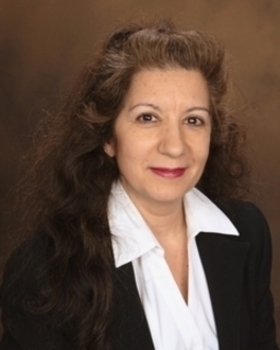
Bridget A. Russell is an Associate Professor at the State University of New York Fredonia and directs the Speech Production Laboratory in the Youngerman Centers for Communicative Disorders at the University. She has published in the Journal of Speech, Hearing and Language (JSHLR), Speech and Voice Review. She has presented over 70 peer reviewed presentations at national and international conferences on voice and respiratory disorders. Dr. Russell also has served as an editorial consultant for JSHLR, National Science Foundation (NSF) and DelMar Publishing Group. Dr. Russell's research interests include voice disorders in children and adults, professional voice, and respiratory disorders of speech production.
Bridget Russell, Ph.D
Related Courses
1https://www.speechpathology.com/slp-ceus/course/20q-induced-laryngeal-obstruction-overview-1076120Q: Induced Laryngeal Obstruction - An Overview for Speech-Language PathologistsThe nature of induced laryngeal obstruction, including comorbidities and causes, and the speech-language pathologist’s role in evaluation and treatment of this disorder are described in this course. Current diagnostic and treatment practices and research updates pertaining to the condition are discussed.textual, visual129USDSubscriptionUnlimited COURSE Access for $129/yearOnlineOnlySpeechPathology.comwww.speechpathology.com20Q: Induced Laryngeal Obstruction - An Overview for Speech-Language PathologistsThe nature of induced laryngeal obstruction, including comorbidities and causes, and the speech-language pathologist’s role in evaluation and treatment of this disorder are described in this course. Current diagnostic and treatment practices and research updates pertaining to the condition are discussed.10761OnlinePT60M
The nature of induced laryngeal obstruction, including comorbidities and causes, and the speech-language pathologist’s role in evaluation and treatment of this disorder are described in this course. Current diagnostic and treatment practices and research updates pertaining to the condition are discussed.
2https://www.speechpathology.com/slp-ceus/course/vocal-fold-paralysis-11280Vocal Fold ParalysisSpeech pathologists may encounter patients with vocal fold paralysis in various clinical, hospital, and rehabilitation settings. This course provides an overview of the etiology, evaluation, prognosis, and management options, including voice therapy techniques.auditory, textual, visual129USDSubscriptionUnlimited COURSE Access for $129/yearOnlineOnlySpeechPathology.comwww.speechpathology.comVocal Fold ParalysisSpeech pathologists may encounter patients with vocal fold paralysis in various clinical, hospital, and rehabilitation settings. This course provides an overview of the etiology, evaluation, prognosis, and management options, including voice therapy techniques.11280OnlinePT60M
Speech pathologists may encounter patients with vocal fold paralysis in various clinical, hospital, and rehabilitation settings. This course provides an overview of the etiology, evaluation, prognosis, and management options, including voice therapy techniques.
3https://www.speechpathology.com/slp-ceus/course/chronic-cough-evaluation-10793Chronic Cough: EvaluationThis is Part 1 of a 2-part series. Chronic cough affects millions of people per year, and SLPs can be an integral part of evaluation and management of this disorder. Characteristics of chronic cough and its impact on quality of life are discussed in this course. In addition, SLP evaluation of chronic cough to identify candidates for voice therapy management is described in the context of medical evaluation and management.auditory, textual, visual129USDSubscriptionUnlimited COURSE Access for $129/yearOnlineOnlySpeechPathology.comwww.speechpathology.comChronic Cough: EvaluationThis is Part 1 of a 2-part series. Chronic cough affects millions of people per year, and SLPs can be an integral part of evaluation and management of this disorder. Characteristics of chronic cough and its impact on quality of life are discussed in this course. In addition, SLP evaluation of chronic cough to identify candidates for voice therapy management is described in the context of medical evaluation and management.10793OnlinePT60M
This is Part 1 of a 2-part series. Chronic cough affects millions of people per year, and SLPs can be an integral part of evaluation and management of this disorder. Characteristics of chronic cough and its impact on quality of life are discussed in this course. In addition, SLP evaluation of chronic cough to identify candidates for voice therapy management is described in the context of medical evaluation and management.
4https://www.speechpathology.com/slp-ceus/course/laryngectomy-basics-introduction-to-voice-10299Laryngectomy Basics: An Introduction to Voice and Pulmonary ChangesBasic clinical management skills related to pulmonary function and communication after a total laryngectomy are described in this course. Information about medical/surgical treatments, anatomic and physiologic changes, communication options, and pulmonary rehabilitation management is provided.auditory, textual, visual129USDSubscriptionUnlimited COURSE Access for $129/yearOnlineOnlySpeechPathology.comwww.speechpathology.comLaryngectomy Basics: An Introduction to Voice and Pulmonary ChangesBasic clinical management skills related to pulmonary function and communication after a total laryngectomy are described in this course. Information about medical/surgical treatments, anatomic and physiologic changes, communication options, and pulmonary rehabilitation management is provided.10299OnlinePT60M
Basic clinical management skills related to pulmonary function and communication after a total laryngectomy are described in this course. Information about medical/surgical treatments, anatomic and physiologic changes, communication options, and pulmonary rehabilitation management is provided.
5https://www.speechpathology.com/slp-ceus/course/respiratory-muscle-strength-training-and-9282Respiratory Muscle Strength Training and Speech-Language Pathologists: Part 1This is Part 1 of a two-part series. This course will provide an overview of respiration and why respiratory muscle strength training is important. Appropriate diagnoses for patient referral, including COVID-19, will be examined, as well as evidence for use of respiratory muscle strength training. (Part 2 - Course 9283)auditory, textual, visual129USDSubscriptionUnlimited COURSE Access for $129/yearOnlineOnlySpeechPathology.comwww.speechpathology.comRespiratory Muscle Strength Training and Speech-Language Pathologists: Part 1This is Part 1 of a two-part series. This course will provide an overview of respiration and why respiratory muscle strength training is important. Appropriate diagnoses for patient referral, including COVID-19, will be examined, as well as evidence for use of respiratory muscle strength training. (Part 2 - Course 9283)9282OnlinePT60M
This is Part 1 of a two-part series. This course will provide an overview of respiration and why respiratory muscle strength training is important. Appropriate diagnoses for patient referral, including COVID-19, will be examined, as well as evidence for use of respiratory muscle strength training. (Part 2 - Course 9283)