
iSpeechPathology.com – Call us: 800-242-5183
Strides Therapy & Educational Services - Join Team #2 - November 2025

Hypernasality

Bridget Russell, Ph.D,CCC-SLP

September 22, 2003

Share:

Question

Where can I find information regarding effective therapy for hypernasality?

Answer

There are many articles and related books and book chapters on the subject of remediating hypernasality. The first step however, is to identify why the hypernasality is occurring. For example, is the hypernasality occurring due to a craniofacial anomaly such as cleft palate or a syndromic condition or another less likely etiology. There may be varied techniques that one can employ to reduce hypernasality in cleft palate versus an unknown etiology. For example prosthetic devices may be useful or surgical intervention in cleft palate where these techniques would be impractical for other types of hypernasality. Once the etiology is identified I would suggest some of the sources indicated below to consult for therapy procedures that may be helpful. If you can give me a more specific diagnosis I can help specify techniques for the particular etiology in question and give a point by point procedure for those therapy applications.

Books:
Case, J.L. (2002). Clinical Management of Voice Disorders (4th Edition). Austin, TX: Pro-Ed.
Colton, R.H. & Casper, J.K. (1996). Understanding Voice Problems: A Physiological Perspective for Diagnosis and Treatment (2nd Edition). Baltimore, MD: Williams & Wilkins.
Massengill, R. (1972). Hypernasality; considerations in causes and treatment procedures. Springfield, IL: Thomas.

Research Articles:
Case, J.L. (1999). Technology in the Treatment of Voice Disorders. Seminars in Speech and Language, 20 (3), 281; Thieme Medical Publishers, Inc.
Gourin C.G & Hubbell, R.N.(1996). Current management of velopharyngeal insufficiency in children. Current Opinion in Otolaryngology & Head and Neck Surgery: (4) 378.

Therapy Tools:
Ray, B. & Baker, B. (1990). Hypernasality modification program : a systematic approach.
Tucson, AZ : Communication Skill Builders, ISBN: 0884505669.

Thank You,

Bridget A. Russell, PhD, CCC-SLP

Bridget A. Russell is an Associate Professor at SUNY College at Fredonia. She received her Ph.D. from SUNY at Buffalo and has been a licensed speech-language pathologist for over 10 years. Her work is published in JSHLR and Speech and Voice Review. Her research focuses on examining ventilatory and laryngeal mechanisms for speech production in aged and professional voice users.
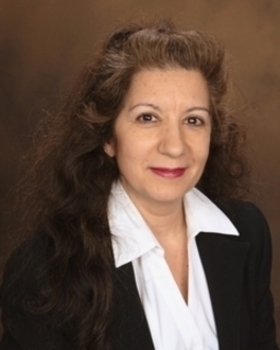


bridget russell

Bridget Russell, Ph.D,CCC-SLP


Related Courses

20Q: Induced Laryngeal Obstruction - An Overview for Speech-Language Pathologists
Presented by Robert Brinton Fujiki, PhD, CCC-SLP
Text

Presenter

Robert Brinton Fujiki, PhD, CCC-SLP
Course: #10761Level: Intermediate1 Hour
  'direct information'   Read Reviews
The nature of induced laryngeal obstruction, including comorbidities and causes, and the speech-language pathologist’s role in evaluation and treatment of this disorder are described in this course. Current diagnostic and treatment practices and research updates pertaining to the condition are discussed.

Vocal Fold Paralysis
Presented by Lauren Fay, MS, CCC-SLP
Video

Presenter

Lauren Fay, MS, CCC-SLP
Course: #11280Level: Introductory1 Hour
  'The presenter's clear and organized material as well as relating the information through video, slides and a case study'   Read Reviews
Speech pathologists may encounter patients with vocal fold paralysis in various clinical, hospital, and rehabilitation settings. This course provides an overview of the etiology, evaluation, prognosis, and management options, including voice therapy techniques.

20Q: Evaluation and Treatment of Speech/Resonance Disorders and Velopharyngeal Dysfunction
Presented by Ann W. Kummer, PhD, CCC-SLP
Text

Presenter

Ann W. Kummer, PhD, CCC-SLP
Course: #8729Level: Intermediate1 Hour
  'Great explations of the different velopharyngeal problems'   Read Reviews
Children with speech and resonance disorders (hypernasality, hyponasality, and cul-de-sac resonance) and/or nasal emission present challenges for speech-language pathologists (SLPs) in all settings. This article will help participants to recognize resonance disorders and the characteristics of velopharyngeal dysfunction, and provide appropriate management.

Chronic Cough: Evaluation
Presented by Lauren Fay, MS, CCC-SLP
Video

Presenter

Lauren Fay, MS, CCC-SLP
Course: #10793Level: Introductory1 Hour
  'Good descriptions and explanations'   Read Reviews
This is Part 1 of a 2-part series. Chronic cough affects millions of people per year, and SLPs can be an integral part of evaluation and management of this disorder. Characteristics of chronic cough and its impact on quality of life are discussed in this course. In addition, SLP evaluation of chronic cough to identify candidates for voice therapy management is described in the context of medical evaluation and management.

MCI/Dementia: Writing Caregiver Education into Clients' Plans of Care
Presented by Allison Gallaher, MS, CCC-SLP
Video

Presenter

Allison Gallaher, MS, CCC-SLP
Course: #10798Level: Introductory1 Hour
  'Easy to follow'   Read Reviews
This course addresses the importance and methodology of writing goals that are family-centered in order to improve the outcomes of patients with mild cognitive impairment (MCI) and dementia. The addition of Caregiver Education to the 2024 Current Procedural Terminology (CPT) codes is also discussed.