|

Home | School-Based | In the Spotlight
|

Founder of Caselite Software, Inc., Charlotte, NC
Short Bio
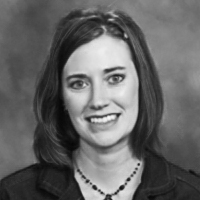
Monica Calello, Speech-Language Pathologist, CCC-SLP, received her B.S. in Communication Disorders from Appalachian State University and her M.S. from Texas State University. She has worked as a SLP in grades preschool to 5th as well as in 9th to 12th grades in a public school setting in the Charlotte-Mecklenburg School Systems. She has also worked as a private SLP in preschool to 5th grade population. Mrs. Calello is the Founder of Caselite Software, Inc., which is headquartered in Charlotte, NC. Caselite is an online scheduling system for school-based SLPs that began in 2003 in response to her scheduling needs. A related services component for Physical and Occupation Therapists, Special Education teachers, and Gifted & Talented teachers was added in 2007. Mrs. Calello is a member of the American Speech-Language-Hearing Association (ASHA) and the North Carolina Speech-Hearing & Language Association (NCSHLA).
Personal Philosophy/Mission
I have learned that a well-planned and scheduled workweek is directly correlated to providing effective services. As a profession, SLPs are driven and motivated by helping others, which oftentimes means putting ourselves and our needs last. At Caselite, we are finding that SLPs across the nation who adopt this behavior end up sacrificing their preparation time (meant for planning therapy and meeting paperwork/diagnostic demands) and also sacrificing the dynamics of their therapy groups, which inevitably leads to feeling ineffective. This is why my mission is to make Caselite work for as many SLPs as possible.
Having worked in the schools myself, I know how it feels to be overwhelmed with the red tape and frustrated with the absence of time to plan and prepare. Many SLPs get trapped into creating groups of students based on convenience due to “sticky scheduling” rather than having the chance to organize groups based on the dynamics that promote good peer support and peer stimulation. Caselite was founded with the intention of aiding therapy organization and balancing of time.
At Caselite, we frequently refer to the “Oxygen Mask Theory.” If you’ve ever taken a trip by plane, you’ve heard the emergency instructions: for adults to put on their oxygen masks first before helping the child next to them. I believe that the same holds true for students who are receiving special education services. If an SLP puts the oxygen or breathing room they need into their weekly schedule, then there is time to plan therapy sessions and address the many facets of the job. I have a desire to alleviate scheduling frustrations for members of my profession and assist them in providing effective therapy that is rewarding for them and their students.
Areas of Interest
In addition to researching techniques and strategies for therapy, I'm also fascinated by the strategies for time management and regional nuances of school-based scheduling. Every school district has different scheduling needs, but not all have the tools to assist with those needs. Since there are so many different components to creating even the most basic schedule, it can easily become an ongoing, time-consuming task. Trying to work around the time blocks that each class, teacher, and student might have can be a real trick. Scheduling is a computational task that needs a computational tool. Caselite is streamlining this process creating better time management. This system gives SLPs the ability to create optimal group dynamics and meet their students’ needs more appropriately.
Workload analysis has become an area of great attention. Simple caseload numbers do not reflect the true workload of an SLP. From Caselite’s schedule metrics, workload information can be obtained to assist district leaders in their efforts for equitable distribution of workload. Those indirect hours of therapy count as well. The time spent doing the paperwork, preparing materials and devices, attending meetings and conducting screenings and diagnostic evaluations, and traveling, are all a part of the workweek/workload as well. It’s really interesting to see the weight distribution when taking all of these measures into account.
Favorite Therapy/Technique/Materials
Of course, my absolute favorite tool is Caselite, but every SLP needs a few tricks up her/his sleeve. I wouldn't be without Wayne Secord's book, Eliciting Sounds, Shipley & McAfee's Assessment in Speech-Language Pathology; and Paul's Language Disorders: From Infancy through Adolescence.
In addition to the above, my SLP-friend, Jodi, and I developed theme-based units for our therapy sessions. For example, using the book, "Snowy Day" by Ezra Jack Keats, students practicing articulation create game cards using words that contain their targeted speech sound in the story. This teaches them visual and auditory recognition of their sounds and gives them the kinesthetic aspect to actively locating, writing, and practicing their sounds. After reading the story together, students who have language-based goals could discuss the seasons, the sequence of events, answer comprehension questions, etc. These units can be easily individualized for each student’s goals in therapy, and they always get rave reviews.
Caseload Management Tip
Adopt the “oxygen mask” mentality. Like the emergency instructions on an airplane, put your oxygen mask on first. Design a workweek that best serves you and your students. When working with groups, give attention to the dynamics so time is not wasted on contact switching between students with unrelated goals. Balance and organize the indirect services so that you can enjoy your job rather than falling behind and feeling overwhelmed. It isn’t just about getting through the week or just meeting frequency of service requirements. It’s about providing truly helpful and effective services, feeling professional and prepared for meetings, meeting deadlines, and fulfilling the desires that are the reasons you are a speech-language pathologist.
Recommended Readings
Guidelines for the Roles and Responsibilities of the School-Based Speech-Language Pathologist. (2000). Published by the American Speech-Language-Hearing Association. [Guidelines].
Available at www.asha.org/policy.
|
|